Is Monmouth in Wales?
If you're planning a trip to Monmouth and wondering whether it's in Wales or England, you're not alone. This is one of the most commonly asked questions about this historic market town—and the answer and history is in the article.


If you're planning a trip to Monmouth and wondering whether it's in Wales or England, you're not alone. This is one of the most commonly asked questions about this historic market town—and the answer is definitively yes, Monmouth is in Wales.
Why the Confusion?
The confusion about Monmouth's location is understandable and has deep historical roots:
Border Town Geography: Monmouth sits just three miles from the English border in Monmouthshire, making it one of the most easterly towns in Wales. The River Wye, which flows nearby, forms part of the Wales-England boundary, and you can literally walk into England within minutes from the town centre.
Historical Ambiguity: For centuries, Monmouthshire's status was genuinely ambiguous. The Laws in Wales Acts of 1535-1542 created confusion about whether Monmouthshire was part of Wales or England for administrative purposes. Until 1974, the county was sometimes treated separately from Wales in legal and administrative contexts, leading to the phrase "Wales and Monmouthshire" appearing in official documents.
The English Postcode: Adding to the confusion, Monmouth uses the NP (Newport) postcode, and some older maps or documents may have listed it ambiguously. Cross-border commuting and strong economic ties with nearby English towns like Ross-on-Wye and Hereford also blur the lines for visitors.
Definitively Welsh Since 1974
Any historical ambiguity was officially resolved in 1974 when the Local Government Act formally confirmed that Monmouthshire is part of Wales. Today, Monmouth is unquestionably a Welsh town in the Welsh county of Monmouthshire.
You'll know you're in Wales when you visit because:
- Road signs are bilingual (English and Welsh)
- The town is part of the Welsh local government system
- It's represented in the Senedd (Welsh Parliament)
- Welsh language and culture are part of daily life
- The town celebrates Welsh national days and traditions
The Best of Both Worlds
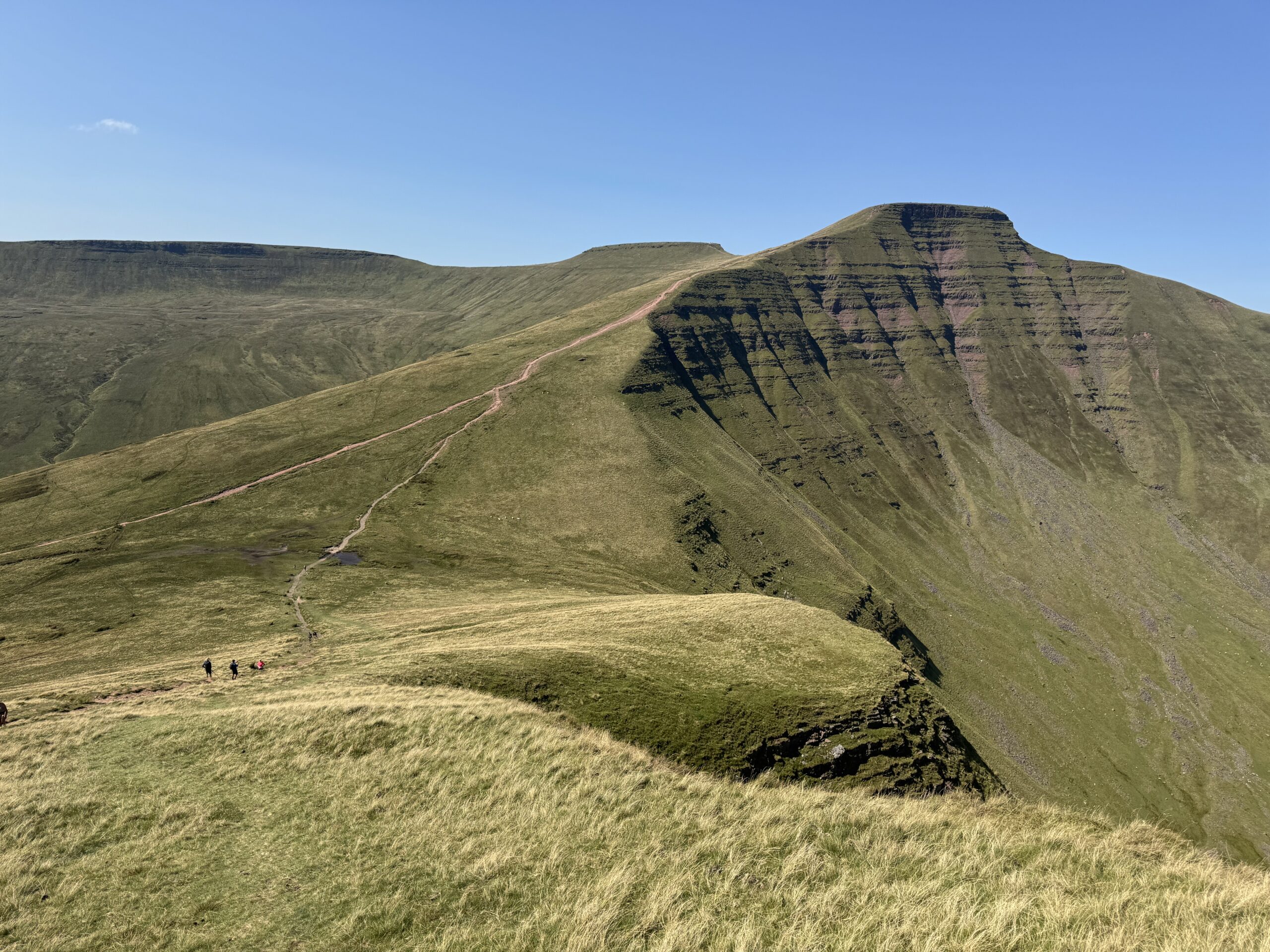
Monmouth's border location means visitors get to experience authentic Welsh culture while enjoying easy access to both Welsh and English attractions. Within 30 minutes, you can explore the Brecon Beacons in Wales or the Cotswolds in England. This unique position has shaped Monmouth's history, architecture, and character, making it a fascinating blend of Welsh and English influences.
The town's historical role as a border stronghold is evident in its magnificent castle and the famous fortified Monnow Bridge both built to defend the Welsh English frontier.
Planning Your Visit
When planning your trip, remember that Monmouth is in Wales, which means:
- Currency is British Pounds (£) as throughout the UK
- The language is primarily English, with Welsh also spoken
- Driving is on the left
- The town is easily accessible from both Welsh cities (Cardiff is 45 minutes away) and English cities (Bristol is 40 minutes away)
So whether you're exploring Wales or planning a cross-border adventure, you can confidently add Monmouth to your Welsh itinerary. This beautiful market town proudly sits in the heart of Monmouthshire, Wales—right where it's been for over 2,000 years.
Now that you know Monmouth is in Wales, discover everything this remarkable border town has to offer in our complete guide to visiting Monmouth.
Discover Monmouth, Wales: A Medieval Market Town in the Heart of the Wye Valley
Stay updated
Get the latest Wales news, travel ideas, and deals delivered to your inbox — free.
Subscribe free