


TL;DR: February transforms Welsh gardens into carpets of white as snowdrops bloom across the country. Top spots include Dyffryn Gardens near Cardiff (spectacular drifts under trees), Bodnant Garden in Conwy (valley views with snowdrops), and Aberglasney Gardens in Carmarthenshire (historic walled garden displays). Lesser-known gems include Plas Cadnant Hidden Gardens on Anglesey and Colby Woodland Garden in Pembrokeshire. Most gardens charge £8-12 entry, open 10am-4pm in winter, and are accessible via car or public transport. Peak season runs mid-February to early March—visit on weekdays to avoid crowds.
February in Wales brings a magical transformation as millions of delicate snowdrops push through the cold earth, creating stunning white carpets across historic gardens, woodlands, and hidden corners of the countryside. While England’s snowdrop walks often steal the headlines, Wales offers equally spectacular displays with the added bonus of dramatic landscapes, historic estates, and far fewer crowds.
The Welsh climate—mild, wet winters with occasional frosts—creates perfect conditions for Galanthus nivalis (common snowdrop) to thrive. From grand National Trust properties to secret walled gardens, Wales has cultivated some of Britain’s finest snowdrop collections, many featuring rare varieties alongside naturalized drifts that have spread for centuries.
Why Wales is Perfect for Snowdrop Spotting
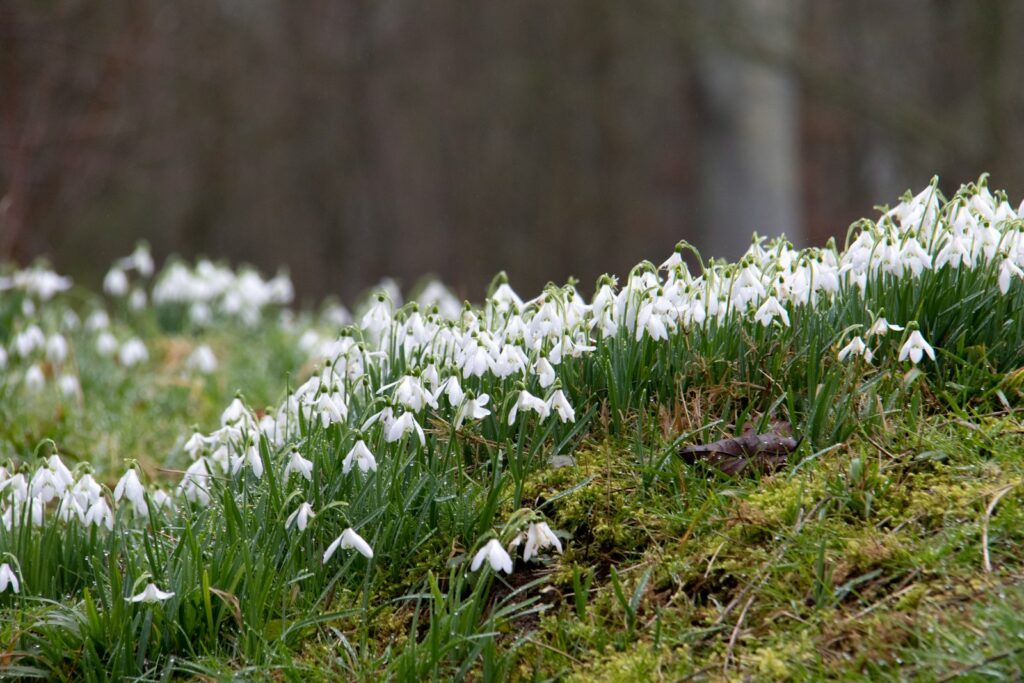
Wales’ temperate maritime climate means snowdrops often appear earlier here than in many parts of England and Scotland. The combination of historic estates with centuries-old planting, woodland settings, and the Welsh tradition of walled kitchen gardens creates ideal habitats. Many Welsh gardens also escaped the intensive 20th-century landscaping that reduced snowdrop populations elsewhere.
Peak season typically runs from mid-February through early March, though mild winters can see displays starting in late January. The ephemeral nature of the season—just 3-4 weeks of peak blooming—makes snowdrop season feel even more special.
Top Snowdrop Gardens in Wales
Dyffryn Gardens, Vale of Glamorgan
Just 20 minutes from Cardiff, Dyffryn Gardens offers one of South Wales’ most impressive snowdrop displays. This Grade I listed Edwardian garden features sweeping lawns punctuated by ancient trees, beneath which thousands of snowdrops create dramatic drifts. The Theatre Garden and Arboretum sections are particularly stunning, with naturalized colonies spreading under specimen trees.
The formal gardens provide structure to frame the informal snowdrop displays, creating photogenic compositions at every turn. Look out for special snowdrop-themed events during February, often including guided walks with the gardening team who can explain the different varieties on show.
Getting there: From Cardiff, take the A4232 and A48 west toward Cowbridge (20 minutes by car). Bus routes X2 and 303 from Cardiff stop near the garden entrance. Parking available on-site (£6 for non-National Trust members). Address: St Nicholas, Vale of Glamorgan, CF5 6SU.
Other Articles:Why the Principality Stadium is the Best Stadium in the World
Bodnant Garden, Conwy
Perched above the Conwy Valley with views toward Snowdonia, Bodnant Garden combines natural beauty with horticultural excellence. The Dell area becomes a snowdrop wonderland in February, with thousands of bulbs naturalizing along the stream valley and throughout the woodland areas. The dramatic topography means you can view snowdrop carpets from above on the garden terraces or walk among them in the valley.
Bodnant’s collection includes several rare cultivars alongside the naturalized commons, and the garden’s micro-climates mean different areas peak at slightly different times, extending the season. The contrast between formal terraces and wild dell creates varied settings for snowdrop displays.
Getting there: Located 8 miles south of Llandudno off the A470. From Llandudno Junction station, it’s a 15-minute taxi ride or the 25 bus toward Betws-y-Coed stops nearby (check timetables as winter service is limited). Ample car parking on-site. Address: Tal-y-Cafn, Colwyn Bay, LL28 5RE.
Aberglasney Gardens, Carmarthenshire
This restoration success story features one of Wales’ finest walled gardens, where snowdrops naturalize beneath ancient yews and spread through borders. The atmospheric cloister garden, with its unique raised walkway, provides elevated views of snowdrop drifts below—a perspective rarely available elsewhere.
Aberglasney’s snowdrops appear in both formal and informal settings: structured plantings in the walled garden contrast with wild colonies in the woodland areas. The Asiatic garden and pool garden also feature snowdrop displays with exotic backdrops. February visits often coincide with the first hellebores and winter aconites for extended color.
Getting there: Located between Carmarthen and Llandeilo off the A40. From Carmarthen station, take the 280 bus toward Llandeilo (30 minutes), then a 1-mile walk or taxi. Free parking on-site. Address: Llangathen, Carmarthenshire, SA32 8QH.
Plas Cadnant Hidden Gardens, Anglesey
One of Wales’ best-kept secrets, Plas Cadnant features romantic valleys filled with snowdrop colonies descending to a tidal creek. The gardens were lost for decades before restoration, and snowdrops that survived the abandonment now form spectacular naturalized drifts through the valley woodlands.
The cascading topography creates waterfall backdrops for snowdrops, and the sheltered position means this often remains frost-free when other gardens face harsh conditions. The intimate scale and wild romance of the setting make this a special snowdrop destination, though visitor numbers are limited to protect the restoration work.
Getting there: Near Menai Bridge on Anglesey. From Bangor, cross the Menai Bridge and follow signs to Cadnant Road (10 minutes by car). Limited bus service via route 53/57 from Bangor to Menai Bridge, then 15-minute walk. Small car park; booking essential during snowdrop season. Address: Cadnant Road, Menai Bridge, LL59 5NH.
Erddig Hall, Wrexham
This National Trust property focuses more on the practical than the ornamental, but its orchards, woodland walks, and restored kitchen gardens feature extensive snowdrop displays. The working estate feel—with carpets of snowdrops surrounding outbuildings and spreading through functional spaces—gives a different perspective on snowdrop cultivation.
Erddig’s Victorian atmosphere extends to the snowdrop season, when you can imagine estate workers encountering these same colonies during their February labors. The flat terrain makes this one of the most accessible snowdrop gardens for those with mobility challenges.
Getting there: Located 2 miles south of Wrexham off the A483. Frequent buses from Wrexham town center (routes 1, 1B, 26) stop at Erddig Road entrance (10-minute walk to house). Good car parking provision. Address: Wrexham, LL13 0YT.
Other Articles: Wrexham AFC, Wales Oldest Football Club
Hidden Gems for Snowdrop Lovers
Colby Woodland Garden, Pembrokeshire
This National Trust woodland garden in Pembrokeshire features naturalized snowdrops throughout its valleys and along woodland paths. The mild Pembrokeshire climate means early displays, often starting late January. The informal nature and forest setting create a wilder snowdrop experience than formal gardens offer.
Getting there: Near Amroth, between Tenby and Saundersfoot. Limited bus service on the 351 route; car is recommended. Address: Amroth, Narberth, SA67 8PP.
Other Articles: Why you need to visit Tenby
Cae Hir Gardens, Ceredigion
This privately-owned garden near Lampeter features snowdrops throughout its 6-acre site, particularly in the woodland areas and rockery. The plantsman’s approach means numerous varieties including doubles and unusual forms. Call ahead as opening times vary in February.
Getting there: Located near Cribyn, off the A485 between Lampeter and Tregaron. Very limited public transport; car essential. Address: Cribyn, Lampeter, SA48 7NG.
Llanerchaeron, Ceredigion
Another National Trust gem, this working Welsh estate features snowdrops throughout its Home Farm buildings, walled gardens, and parkland. The authentic estate atmosphere with snowdrops spreading around working buildings and livestock areas offers a grounded, rural context for these flowers.
Getting there: East of Aberaeron on the A482. The T1/T2 bus from Aberystwyth to Lampeter passes nearby, but car parking is easier. Address: Ciliau Aeron, Aberaeron, SA48 8DG.
Powis Castle, Powys
While famous for its terraced gardens, Powis also features woodland areas with snowdrop displays. The dramatic hillside setting and castle backdrop create memorable contexts for February visits. The terraced structure means multiple viewing levels of snowdrop plantings below.
Getting there: Just outside Welshpool on the A483. Regular buses from Welshpool town center and railway station. Good parking facilities. Address: Welshpool, SY21 8RF.
Tips for Your Snowdrop Visit
Timing matters: Mid-to-late February offers peak displays in most years, but check garden social media accounts before visiting as mild or harsh weather can shift timings. Weekday visits avoid weekend crowds, especially at the major gardens.
Photography: Overcast days actually work better than bright sunshine for photographing snowdrops, as the soft light brings out detail without harsh shadows. Arrive early for the best light and fewer visitors in your shots.
Extend your trip: Many snowdrop gardens also feature early hellebores, winter aconites, and early crocuses. The combination creates more color than snowdrops alone. Cafes and tea rooms at the major gardens provide welcome warmth between walks.
Muddy paths: February in Wales means rain. Wellies or waterproof walking boots are essential, as paths through woodland snowdrop areas can be very muddy. Many gardens provide boot-cleaning facilities.
Rare varieties: Several Welsh gardens cultivate rare snowdrop cultivars, including doubles, yellow-marked varieties, and historical Welsh forms. Ask garden staff to point out special specimens if you’re interested in the botanical diversity beyond the common snowdrop carpets.
Planning Your Snowdrop Tour
For a South Wales itinerary, combine Dyffryn and Aberglasney over a weekend, staying in Cardiff or Carmarthen. North Wales visitors can pair Bodnant with Plas Cadnant, basing in Conwy or Bangor. Mid-Wales offers fewer major snowdrop gardens but more wild woodland sites where naturalised colonies spread.
Most gardens charge £8-12 entry (National Trust members free at NT properties), with reduced winter opening hours typically 10am-4pm. Always check websites before visiting as some smaller gardens open by appointment only in winter.
The Wales Snowdrop Route isn’t officially signposted, but with planning, you can create your own trail linking multiple gardens over several days, combining snowdrop visits with Welsh castles, coastal scenery, and local food stops.
Beyond the Gardens
While cultivated gardens offer the densest displays, Wales also features wild snowdrop colonies in churchyards, ancient woodlands, and old estate boundaries. River valleys in Carmarthenshire and Ceredigion sometimes reveal unexpected snowdrop carpets marking former settlements or medieval garden sites.
If you’re combining a snowdrop tour with wider Welsh exploration, February also brings the start of the Six Nations rugby season, early lamb sightings on Welsh farms, and quieter coastal walks before spring tourist crowds arrive.
Frequently Asked Questions
When is the best time to see snowdrops in Wales?
Mid-February to early March offers peak displays across most Welsh gardens. However, mild winters can bring displays from late January, while cold springs may extend the season into mid-March. Check individual garden social media for current bloom updates before visiting.
Do I need to book tickets in advance for snowdrop gardens?
Major gardens like Dyffryn, Bodnant, and Aberglasney generally accept walk-up visitors, though booking online can save queuing time. Smaller gardens like Plas Cadnant require advance booking, especially during peak snowdrop weekends. National Trust members should book free slots online for NT properties.
Are Welsh snowdrop gardens wheelchair accessible?
Accessibility varies significantly. Erddig Hall and the main areas of Dyffryn offer good wheelchair access with paved or firm paths. However, many prime snowdrop displays occur in woodland dells and valleys (like Bodnant’s Dell or Plas Cadnant’s valley) with steep or uneven paths unsuitable for wheelchairs. Always check accessibility information on garden websites before visiting.
How much does it cost to visit snowdrop gardens in Wales?
Entry fees typically range from £8-12 for adults at major gardens, with children often free or reduced. National Trust members enjoy free entry to NT properties (Bodnant, Erddig, Powis Castle, Llanerchaeron, Colby Woodland Garden). Some gardens offer reduced winter admission compared to peak summer prices.
Can I take my dog to see the snowdrops?
Dog policies vary by garden. National Trust properties generally welcome dogs on leads in grounds but not in formal garden areas. Aberglasney and Plas Cadnant typically restrict dogs to protect plantings. Always check specific garden policies before bringing pets, and expect muddy paths requiring post-walk cleanup.
What else blooms in Welsh gardens during February?
Alongside snowdrops, look for hellebores (Lenten roses), winter aconites (yellow flowers appearing with snowdrops), early crocuses, winter-flowering shrubs like witch hazel and wintersweet, and camellias in sheltered locations. The combination creates more color than snowdrops alone.
Are there wild snowdrop sites in Wales, or only gardens?
While gardens offer the densest displays, naturalized snowdrops appear in Welsh churchyards, ancient woodlands marking old estate boundaries, and river valleys where medieval settlements once stood. These wild sites are harder to predict and less spectacular than cultivated gardens, but offer atmosphere and discovery. Ask locals or explore woodland valleys in Carmarthenshire and Ceredigion.
How long does a typical snowdrop garden visit take?
Allow 1.5-2 hours for most gardens, longer if visiting cafes or exploring wider grounds. Larger estates like Bodnant or Powis Castle can occupy 3-4 hours. Smaller sites like Colby Woodland Garden or Cae Hir need 1 hour. Factor in muddy paths slowing walking pace compared to summer visits.
