

Article Summary
Aberaeron is a picturesque Georgian harbour town on the Cardigan Bay coast of Ceredigion, offering visitors a unique combination of colourful Regency architecture, a working harbour, and two distinct beaches. Known for its honey ice cream, fresh seafood, and vibrant painted houses, Aberaeron provides a more refined seaside experience than typical bucket-and-spade resorts. This guide covers everything visitors need to know about Aberaeron’s beaches, the town’s fascinating history, and practical information for planning your visit to this Welsh coastal gem.
A Town Built by Design
Aberaeron stands apart from other Welsh seaside towns in ways that become apparent the moment you arrive. Where most coastal settlements grew organically over centuries, shaped by the accidents of geography and economy, Aberaeron was planned from the outset. A Georgian new town laid out on rational principles and built with an eye for elegance that survives to this day.
The result is one of the most architecturally distinctive small towns in Wales. Colourful Regency houses line the harbour and main streets, their facades painted in a rainbow of carefully coordinated hues that give Aberaeron an almost Mediterranean character. The harbour itself, sheltered and picturesque, remains a working port where fishing boats land their catches and pleasure craft bob at their moorings. And the beaches, though modest in scale, offer the clean waters and natural beauty that have drawn visitors to Cardigan Bay for generations.
This is not a town of amusement arcades and kiss-me-quick hats. Aberaeron attracts visitors who appreciate good food, attractive architecture, and a gentler pace of life. The harbour-front cafés and restaurants serve some of the freshest seafood on the Welsh coast. The independent shops sell local crafts, Welsh produce, and the famous Aberaeron honey ice cream. And the beaches provide space for quiet contemplation rather than crowded recreation.
For those seeking a seaside experience with character and quality, Aberaeron delivers something quite special.
The Beaches of Aberaeron
Aberaeron offers two distinct beach areas, each with its own character and appeal. Neither is a vast expanse of golden sand. This is not that kind of resort, but both provide attractive spots for enjoying the Cardigan Bay coastline.
North Beach (Traeth Gogledd)
North Beach lies to the north of the harbour, accessed via a path from the harbour area or from the road that runs along the coast towards Aberarth. This is the larger and more accessible of Aberaeron’s two beaches.
The beach is predominantly shingle and pebble, with some sandy patches exposed at lower tides. The gradient is relatively steep, which means the water deepens fairly quickly. A consideration for families with young children. However, the shingle has its own appeal, with interesting stones and shells to discover among the pebbles.
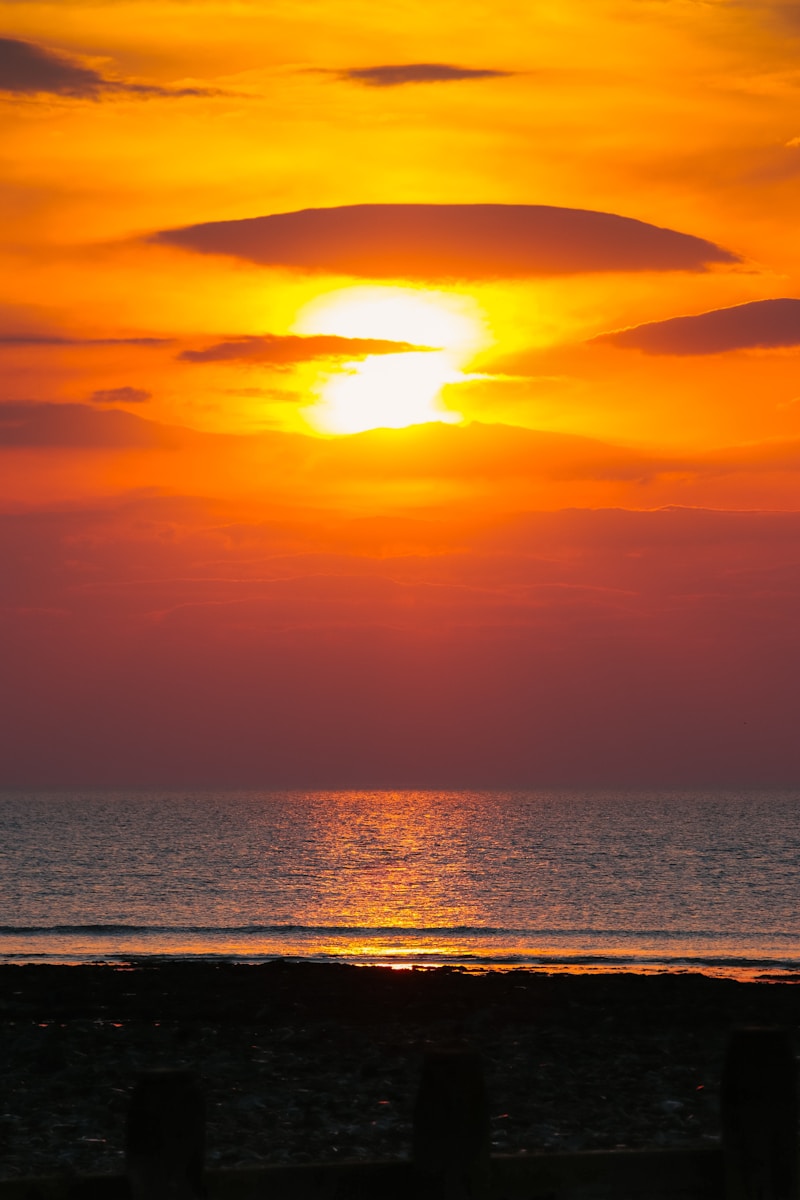
The beach faces west across Cardigan Bay, offering views towards the distant Llŷn Peninsula on clear days and spectacular sunsets throughout the year. The clean waters of Cardigan Bay lap against the shore, and the beach benefits from the generally good water quality that has earned stretches of this coastline environmental recognition.
A concrete promenade runs behind part of the beach, providing level walking and seating areas for those who prefer not to negotiate the shingle. The promenade connects the beach with the harbour area and the town centre beyond.
South Beach (Traeth De)
South Beach lies to the south of the harbour, beyond the harbour walls and accessed via paths from the town. This smaller beach offers a more sheltered and intimate experience than its northern counterpart.
The beach is again predominantly shingle, with some rocky outcrops that create interest and provide habitat for rockpool creatures. The harbour walls provide some shelter from prevailing winds, making this a pleasant spot on days when North Beach feels exposed.
The setting is attractive, with views back towards the colourful harbour-front buildings and the wooded hillsides that rise behind the town. At low tide, the beach extends to reveal additional sandy and rocky areas for exploration.
Beach Character and Expectations
Visitors expecting miles of golden sand will need to adjust their expectations. Aberaeron’s beaches are modest in scale and predominantly shingle, functional rather than spectacular as beaches go. Their appeal lies in their setting within this attractive town, the quality of the water, and the quieter atmosphere compared to larger resorts.
For families with young children seeking extensive sandy beaches for sandcastle building, the larger beaches at Borth or New Quay (both within easy reach) may be more suitable. Aberaeron’s beaches are better suited to walking, swimming, wildlife watching, and simply enjoying the coastal environment within easy reach of the town’s excellent cafés and restaurants.
The Harbour
The harbour is the heart of Aberaeron and the feature that gives the town much of its character. Built in the early nineteenth century as part of the planned development of the town, it remains a working harbour that also serves as the focal point for visitors.
History of the Harbour
The harbour was constructed between 1807 and 1811 under the direction of the Reverend Alban Thomas Jones Gwynne, who inherited the Monachty estate and conceived the plan to develop Aberaeron as a new town and port. The harbour was designed to serve the maritime trade that was essential to the economy of rural Wales before the coming of the railways.
During the nineteenth century, Aberaeron became an important centre for shipbuilding and maritime commerce. Vessels built here traded along the Welsh coast and further afield, carrying agricultural produce, slate, and other goods. The town prospered, and the elegant buildings that line the harbour date from this period of confidence and growth.
The decline of coastal shipping in the twentieth century reduced the harbour’s commercial importance, but it has found new life serving fishing boats and pleasure craft. Today, the harbour combines working character with tourist appeal in a way that feels authentic rather than contrived.
The Harbour Today
The inner harbour, enclosed by stone walls, provides sheltered mooring for fishing boats and small pleasure craft. At low tide, boats rest on the harbour floor; at high tide, they float at their moorings, creating the classic harbour scene that draws photographers and painters.
The outer harbour and beach areas provide additional mooring and launching facilities. A slipway allows boats to be launched, and a small beach within the harbour area offers sheltered access to the water.
The harbour walls themselves provide excellent walking, with views across the water to the colourful buildings that line the quayside. Benches along the harbour-front invite visitors to sit and absorb the scene. The comings and goings of boats, the wheeling of gulls, the play of light on water.
Fishing and Fresh Seafood
Aberaeron maintains a small but active fishing fleet, and the catches landed here supply the town’s restaurants and fish merchants. Crab, lobster, and various fish species are landed depending on season, and the freshness of the seafood available in Aberaeron is one of the town’s great attractions.
The Hive on the Quay, located in a converted warehouse on the harbour-front, is perhaps the most famous destination for seafood in Aberaeron, serving dishes featuring the day’s catch alongside the honey ice cream for which Aberaeron has become famous. Several other restaurants and cafés along the harbour-front also specialise in fresh local seafood.
The Georgian Town
Aberaeron’s architectural distinction lies in its planned Georgian layout and the consistency of its Regency buildings. Understanding this history enriches any visit to the town.
The Planned Town
Before 1805, the site of modern Aberaeron was largely empty, a river mouth with a few scattered buildings but no settlement of significance. The transformation began when the Reverend Alban Thomas Jones Gwynne inherited the Monachty estate and determined to create a new town and harbour on his land.
Gwynne obtained an Act of Parliament in 1807 authorising the construction of a harbour and the development of the surrounding land. He engaged Edward Haycock, a Shrewsbury architect, to design the town, though local builders and craftsmen executed much of the work.
The resulting plan followed Georgian principles of symmetry and order. A grid of streets was laid out, with Alban Square forming the formal centrepiece. The harbour was constructed to serve maritime trade, and plots were made available for building houses, shops, and commercial premises according to consistent architectural guidelines.
The Colourful Houses
The most striking feature of Aberaeron today is the colourful paintwork of its Georgian and Regency buildings. Houses around the harbour and along the main streets are painted in a carefully coordinated palette of colours – blues, pinks, yellows, greens, and creams—that gives the town its distinctive character.
This colourful appearance is relatively modern. For much of the town’s history, buildings were painted in more muted tones or left as bare stone. The current colour scheme emerged from a conservation initiative in the 1970s and 1980s that sought to enhance Aberaeron’s visual appeal and establish a coherent identity.
The colour palette is now protected through planning controls, ensuring that new paintwork respects the established scheme. The result is a townscape of unusual harmony and visual appeal that photographs beautifully and creates a welcoming atmosphere.
Alban Square
Alban Square, named after the town’s founder, forms the architectural centrepiece of Aberaeron. The square is flanked by elegant Regency terraces, their proportions and detailing reflecting the Georgian ideals of balance and restraint.
The square hosts markets and events throughout the year and provides a green space at the heart of the town. The buildings around it house shops, cafés, and residences, maintaining the mixed-use character that Georgian town planning envisaged.
Conservation Status
Aberaeron’s architectural significance is recognised through its designation as a Conservation Area. This status protects the character of the town, controlling development and alterations to ensure that the Georgian heritage is preserved for future generations.
The town has received various heritage awards recognising the quality of its conservation and the success of its regeneration. Aberaeron demonstrates that careful stewardship of historic character can create economic benefits through tourism while maintaining the authenticity that makes a place special.
Aberaeron Honey Ice Cream
No account of Aberaeron would be complete without mention of the honey ice cream that has become synonymous with the town. This distinctive local product has achieved fame far beyond Ceredigion and draws visitors specifically seeking its unique flavour.
The Quay Honey Ice Cream
The story begins with The Hive on the Quay, the harbour-front establishment that developed the honey ice cream recipe and built it into a local institution. The ice cream is made using honey from local bees and traditional methods, creating a flavour that is sweet but not cloying, with the distinctive floral notes of Welsh honey.
The ice cream is served at The Hive’s café and is available from other outlets in the town. On warm days, queues form along the harbour-front as visitors wait to purchase this famous treat. The sight of families and couples enjoying honey ice cream while gazing across the harbour has become one of the defining images of Aberaeron.
Beyond Ice Cream
The Hive on the Quay has expanded beyond ice cream to offer a full café menu featuring local seafood and other Welsh produce, as well as a shop selling honey, beeswax products, and Welsh crafts. The establishment has become a destination in its own right, drawing visitors who make the journey specifically to sample the ice cream and explore the shop.
The success of the honey ice cream has inspired other producers, and various honey-based products are now available throughout the town. Aberaeron has embraced its association with honey, using it as a distinctive element of the town’s identity and marketing.
Wildlife and Nature
Aberaeron’s position on Cardigan Bay provides opportunities for wildlife watching, while the surrounding countryside offers further natural interest.
Marine Wildlife
Cardigan Bay is home to one of the largest populations of bottlenose dolphins in Europe, and Aberaeron provides a base for exploring this remarkable wildlife resource. Dolphins are regularly seen from the shore and from boats operating wildlife watching trips from the harbour and nearby ports.
Grey seals are also common in Cardigan Bay, hauling out on beaches and rocks along the coast. Harbour porpoises, though more elusive than dolphins, are present in the bay and may be spotted by patient observers.
The bird life of the coast includes various seabirds, waders, and coastal species. Gannets fish offshore, cormorants dry their wings on harbour structures, and oystercatchers work the shoreline. In winter, the estuary of the Aeron attracts wildfowl and wading birds.
Dolphin Watching
Several operators offer dolphin watching trips from Aberaeron or nearby New Quay, the latter being particularly noted for its dolphin population. Trips typically last two to three hours and provide good chances of encountering bottlenose dolphins in their natural habitat.
The best months for dolphin watching are generally May to September, when calmer seas make boat trips more comfortable and successful. However, dolphins are present in Cardigan Bay year-round, and sightings are possible in any month.
For those preferring to stay on shore, the clifftop paths along the coast provide elevated viewpoints from which dolphins can sometimes be spotted. Binoculars are helpful for scanning the water.
The River Aeron
The River Aeron flows through the town to reach the sea at the harbour. This small river supports wildlife including dippers, grey wagtails, and kingfishers along its course. Salmon and sea trout run the river to spawn, continuing an ancient cycle that connects the mountains with the sea.
Walks along the river valley provide opportunities to enjoy the countryside behind the coast, with woodland, farmland, and the river itself creating varied habitats and attractive scenery.
Walking and Cycling
Aberaeron provides excellent opportunities for walking and cycling, both along the coast and in the surrounding countryside.
The Wales Coast Path
The Wales Coast Path passes through Aberaeron as part of its 870-mile route around the Welsh coastline. The Ceredigion section of the path is particularly attractive, combining clifftop walking with beach and harbour stretches.
From Aberaeron, walkers can head north towards Aberarth and New Quay, or south towards Llanerchaeron and Ciliau Aeron. The terrain is varied, including clifftop paths, beach walking, and sections through farmland. The walking is generally moderate, with some steep sections where the path climbs and descends between cliff top and beach.
The coast path allows for linear walks of any length, with the option of returning by bus or taxi. A full day’s walk might cover the section from New Quay to Aberaeron (approximately 7 miles) or from Aberaeron to Llangrannog (approximately 10 miles), both offering spectacular coastal scenery.
Llanerchaeron
The National Trust property of Llanerchaeron lies approximately 2 miles inland from Aberaeron and makes an excellent walking or cycling destination. This Georgian villa and estate provides a glimpse into the rural Welsh gentry life of the eighteenth and nineteenth centuries.
A footpath connects Aberaeron with Llanerchaeron, following the valley of the River Aeron through attractive countryside. The walk takes approximately 45 minutes each way and provides a pleasant contrast to the coastal scenery.
Llanerchaeron itself offers a walled garden, nature trails, and a café, making it a rewarding destination for a half-day excursion. National Trust members enjoy free admission; others pay an entrance fee.
Cycling
The quiet lanes of rural Ceredigion provide excellent cycling, with relatively gentle terrain along the coastal strip and more challenging routes into the hills behind. Aberaeron makes a good base for exploring the area on two wheels.
The Ystwyth Trail, a traffic-free cycling and walking route, runs inland from Aberystwyth and can be accessed from Aberaeron via country lanes. The trail follows a former railway line through the Ystwyth Valley, offering easy cycling through attractive scenery.
Events and Festivals
Aberaeron hosts several events throughout the year that draw visitors from across Wales and beyond.
Aberaeron Festival of Welsh Cobs and Ponies
The most famous event in Aberaeron’s calendar is the annual Festival of Welsh Cobs and Ponies, held in August. This celebration of the native Welsh breeds attracts exhibitors and spectators from across Britain and beyond.
The festival takes place on the streets of the town, with Welsh cobs and ponies paraded through Aberaeron in a spectacular display. The sight of these beautiful animals, many decorated with traditional harness and ribbons, set against the backdrop of the colourful Georgian buildings, creates images that have become iconic of Welsh rural culture.
The festival weekend also features craft stalls, food vendors, live music, and various entertainments. Accommodation in Aberaeron books up well in advance for the festival weekend, so early planning is essential for those wishing to attend.
Cardigan Bay Seafood Festival
The Cardigan Bay Seafood Festival celebrates the rich marine harvest of the bay, with events held in various locations including Aberaeron. The festival showcases local seafood, with cookery demonstrations, tastings, and opportunities to purchase fresh fish and shellfish from local suppliers.
Other Events
Aberaeron hosts various markets, fairs, and community events throughout the year. The harbour-front provides an attractive setting for outdoor events, and the town’s cafés and restaurants often participate with special menus and promotions.
Christmas brings festive events including markets and carol services, while summer sees regular activity around the harbour and beaches. Check local listings for events during your planned visit.
Food and Drink
Aberaeron has developed a reputation for food that belies its small size. The combination of fresh seafood, local produce, and a population that appreciates quality has created a dining scene that attracts visitors specifically for culinary experiences.
Seafood
Fresh seafood is Aberaeron’s culinary calling card. The fishing boats that work from the harbour land catches that appear on restaurant menus within hours, providing freshness that cannot be matched by establishments far from the coast.
Crab and lobster are particular specialities, available in season from the boats that fish the rocky coastline of Cardigan Bay. Fish species vary with the season and the catch, but sea bass, mackerel, and various flatfish are regularly available. Several restaurants offer fish of the day specials featuring whatever has been landed that morning.
The Hive on the Quay remains the most famous seafood destination, but several other establishments along the harbour-front and in the town centre offer excellent fish and shellfish dishes. The Harbourmaster Hotel restaurant is particularly well-regarded for its contemporary take on Welsh produce.
Welsh Produce
Beyond seafood, Aberaeron’s restaurants and food shops celebrate Welsh produce more broadly. Local lamb, Welsh Black beef, and other meat from Ceredigion farms feature on menus alongside vegetables and dairy products from the surrounding countryside.
The weekly market provides opportunities to purchase local produce directly from farmers and producers. Welsh cheeses, including those made in Ceredigion, are available alongside honey, preserves, and baked goods.
Cafés and Tea Rooms
Aberaeron supports numerous cafés and tea rooms catering to visitors seeking refreshment throughout the day. The harbour-front provides the most popular locations, with outdoor seating allowing customers to enjoy the view while eating and drinking.
The famous honey ice cream is available at The Hive and other outlets, providing the essential Aberaeron culinary experience. Traditional Welsh cakes and bara brith (fruit loaf) are available at bakeries and cafés for those seeking authentic Welsh treats.
Pubs
Several pubs serve the town, offering traditional hospitality alongside food and drink. The Harbourmaster, occupying a prime position on the quayside, combines pub atmosphere with hotel accommodation and a respected restaurant. Other pubs in the town centre provide alternatives for those seeking a quieter drink away from the harbour-front bustle.
Practical Information for Visitors
Getting to Aberaeron
By car: Aberaeron lies on the A487 coast road between Aberystwyth (approximately 15 miles north) and Cardigan (approximately 16 miles south). From the A48 and M4, approach via Carmarthen and the A485. Sat nav postcode: SA46 0BA for the town centre.
By bus: The T1 TrawsCymru service connects Aberaeron with Aberystwyth, Cardigan, and Carmarthen, providing links to the wider transport network. Services run several times daily, making car-free visits feasible though requiring some planning.
By train: The nearest railway station is Aberystwyth, approximately 15 miles north. From Aberystwyth, the T1 bus service connects to Aberaeron. Aberystwyth is served by trains from Birmingham and Shrewsbury via the Cambrian Line.
Parking
Parking is available in several locations around the town:
Harbour car parks provide convenient access to the harbour-front and beaches. Spaces are limited and can fill quickly during busy periods.
Town centre car parks offer alternatives when harbour parking is full.
Parking charges apply in most locations. During summer weekends and events, arriving early is advisable as parking can be challenging when the town is busy.
Accommodation
Aberaeron offers a range of accommodation options:
Hotels: The quayside offers boutique accommodation in a historic building with harbour views. Other hotels and larger guesthouses provide additional options.
Bed and breakfasts: Numerous B&Bs operate in the town and surrounding area, offering traditional hospitality often in characterful Georgian buildings.
Self-catering: Holiday cottages and apartments are available in the town and surrounding countryside, suiting those preferring independent accommodation.
Caravan and camping: Sites in the area provide options for touring caravans, motorhomes, and camping.
Booking ahead is advisable during summer, particularly around the Welsh Cob Festival weekend in August.
Facilities
Toilets: Public toilets are available near the harbour and in the town centre.
Shops: The town centre offers a good selection of independent shops including a supermarket, delicatessen, craft shops, and boutiques.
Banks and ATMs: Banking facilities are available in the town centre.
Medical: A health centre serves the town. The nearest hospital is Bronglais General Hospital in Aberystwyth.
Beach Facilities
Aberaeron’s beaches are relatively undeveloped compared to larger resorts:
Lifeguards: The beaches are not lifeguarded. Swimmers should assess conditions carefully and be aware of potential hazards.
Dogs: Dogs are welcome on the beaches, though seasonal restrictions may apply in some areas. Check local signage for current regulations.
Facilities: Basic facilities including toilets are available in the town, a short walk from both beaches.
Weather and Conditions
Aberaeron enjoys a mild maritime climate, though weather on the Welsh coast can be changeable:
Summer: The warmest and driest season, with average temperatures of 15-20°C. However, rain is possible at any time, and coastal breezes can make conditions feel cooler.
Spring and Autumn: Pleasant conditions for walking and exploring, with fewer crowds than summer. Temperatures are cooler, and weather more variable.
Winter: Mild but wet, with occasional storms bringing dramatic conditions. The town is quieter, and some facilities may operate reduced hours.
Best Time to Visit
Summer (June to August) offers the warmest weather and longest days, ideal for beaches and outdoor activities. This is the busiest period, and accommodation should be booked well in advance. The Welsh Cob Festival in August brings peak crowds.
Spring (April to May) and Autumn (September to October) provide pleasant conditions with fewer visitors. These shoulder seasons are ideal for walking and wildlife watching.
Winter (November to March) sees Aberaeron at its quietest. The town retains its charm, though some facilities may be closed or operating reduced hours.
Nearby Attractions
Aberaeron’s location on the Ceredigion coast provides easy access to numerous attractions.
New Quay
New Quay, approximately 7 miles south of Aberaeron, offers additional beaches, harbour charm, and some of the best dolphin watching in Wales. The town is associated with Dylan Thomas, who lived here briefly and may have used it as inspiration for Llareggub in Under Milk Wood.
Llanerchaeron
This National Trust property, approximately 2 miles inland from Aberaeron, preserves a Georgian villa and self-sufficient estate. The walled garden, service buildings, and nature trails provide a glimpse into gentry life in rural Wales.
Aberystwyth
The larger town of Aberystwyth, approximately 15 miles north, offers additional attractions including the National Library of Wales, the Aberystwyth Cliff Railway, and a university town atmosphere with shops, restaurants, and cultural venues.
Cardigan
Cardigan, approximately 16 miles south, is a historic market town on the River Teifi. The restored Cardigan Castle hosts events and exhibitions, while the town offers traditional markets and independent shops.
Devil’s Bridge
The dramatic waterfalls and ancient bridges at Devil’s Bridge lie inland from Aberystwyth, accessible via the Vale of Rheidol Railway or by road. This spectacular gorge has been a tourist attraction since Victorian times.
Tregaron
The small town of Tregaron lies inland from Aberaeron, providing a gateway to the Cambrian Mountains and the vast Cors Caron nature reserve. The town hosts a famous pony sale and maintains strong connections to traditional Welsh droving culture.
Frequently Asked Questions About Aberaeron
Where is Aberaeron located?
Aberaeron is located on the Cardigan Bay coast of Ceredigion in mid-Wales, approximately 15 miles south of Aberystwyth and 16 miles north of Cardigan on the A487 coast road.
Is Aberaeron Beach sandy?
Aberaeron’s beaches are predominantly shingle and pebble, with some sandy patches exposed at lower tides. Visitors seeking extensive sandy beaches should consider nearby alternatives such as Borth or New Quay.
What is Aberaeron famous for?
Aberaeron is famous for its colourful Georgian architecture, its picturesque harbour, its honey ice cream, and the annual Festival of Welsh Cobs and Ponies. The town is also known for fresh seafood from Cardigan Bay.
Can you swim at Aberaeron?
Yes, swimming is possible from both North Beach and South Beach. The beaches are not lifeguarded, so swimmers should assess conditions carefully and be aware of the relatively steep gradient into deeper water.
What is the honey ice cream in Aberaeron?
Aberaeron’s famous honey ice cream is made using local Welsh honey and traditional methods. It is particularly associated with The Hive on the Quay, though various outlets in the town now sell honey ice cream.
Are there dolphins at Aberaeron?
Cardigan Bay is home to one of Europe’s largest populations of bottlenose dolphins, and sightings are possible from the shore or from boat trips. Nearby New Quay is particularly noted for dolphin watching.
Is Aberaeron worth visiting?
Aberaeron is well worth visiting for its unique Georgian architecture, attractive harbour, excellent seafood, and more refined seaside atmosphere. It suits visitors seeking quality and character rather than traditional bucket-and-spade resort facilities.
When is the Welsh Cob Festival?
The Aberaeron Festival of Welsh Cobs and Ponies takes place annually in August. The exact dates vary each year, so check current listings when planning your visit. Accommodation books up well in advance for this popular event.
How do I get to Aberaeron without a car?
The T1 TrawsCymru bus service connects Aberaeron with Aberystwyth (which has a railway station), Cardigan, and Carmarthen. Services run several times daily, making car-free visits feasible with some planning.
Is there parking in Aberaeron?
Yes, car parks are available near the harbour and in the town centre. Parking charges apply, and spaces can be limited during busy periods. Early arrival is advisable in summer and during events.
What is there to do in Aberaeron?
Visitors can enjoy the beaches and harbour, sample seafood and honey ice cream, explore the Georgian architecture, walk the Wales Coast Path, visit nearby Llanerchaeron (National Trust), and take dolphin watching trips.
Are dogs allowed on Aberaeron Beach?
Dogs are welcome on the beaches, though seasonal restrictions may apply in some areas during summer. Check local signage for current regulations.
How far is Aberaeron from Aberystwyth?
Aberaeron is approximately 15 miles south of Aberystwyth, around 25 minutes by car via the A487 coast road. Bus services also connect the two towns.
Aberwystwyth Article for more info: Why you need to visit Aberystwyth
What is Llanerchaeron?
Llanerchaeron is a National Trust property approximately 2 miles inland from Aberaeron. This Georgian villa and self-sufficient estate offers a walled garden, nature trails, and insight into Welsh gentry life.
Is Aberaeron child-friendly?
Aberaeron is suitable for families, though the shingle beaches and lack of traditional resort facilities like arcades and funfairs mean it suits those seeking quieter family time. The harbour, ice cream, and coastal walks appeal to children of various ages.
