
Betws y Coed: A Complete Guide to the Gateway to Snowdonia
Article Summary
Betws y Coed is a picturesque village nestled at the confluence of three rivers in the heart of Snowdonia National Park, renowned for its stunning natural beauty, Victorian architecture, and reputation as the premier outdoor activities hub in north Wales. Known as the gateway to Snowdonia, this charming village offers world class walking, climbing, and adventure sports alongside historic bridges, spectacular waterfalls, and an abundance of shops, cafes, and restaurants catering to visitors from around the world. This comprehensive guide covers everything you need to know about Betws y Coed, from its fascinating history and natural attractions to practical information for planning your visit.
The Jewel of the Conwy Valley
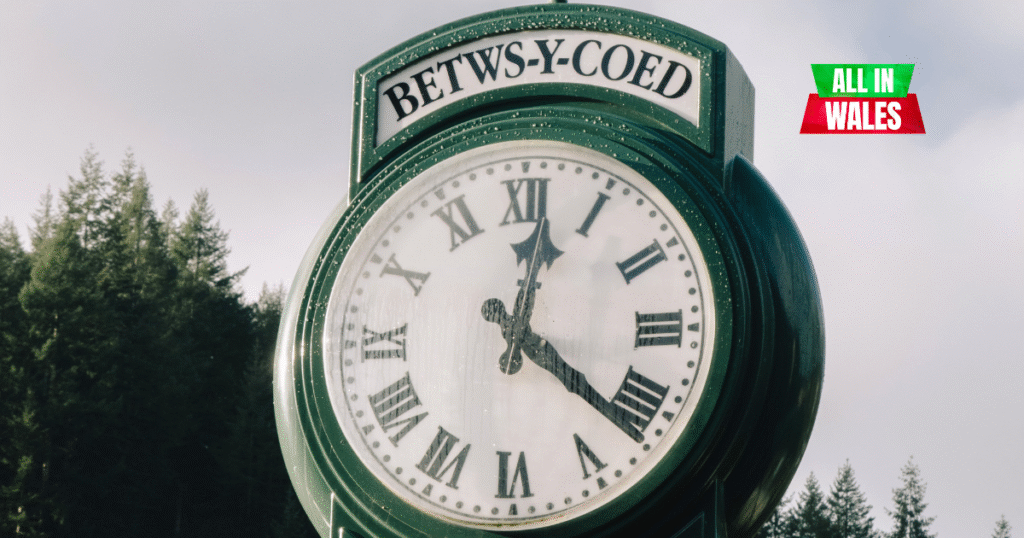
Betws y Coed occupies one of the most beautiful settings in Wales, where the rivers Conwy, Llugwy, and Lledr meet amid ancient forests and dramatic mountain scenery. The village has attracted visitors for over two centuries, its combination of natural beauty, convenient location, and excellent facilities making it the natural base for exploring Snowdonia National Park.
The name Betws y Coed translates from Welsh as “prayer house in the wood,” reflecting the village’s origins as a religious settlement in a forested landscape. That woodland remains today, clothing the valley sides in oak, beech, and birch, creating a green embrace that gives the village its distinctive character. The rivers that converge here add drama and movement to the scene, their waters tumbling over rocks and through gorges that have become attractions in their own right.
Victorian visitors discovered Betws y Coed in the nineteenth century, drawn by the romantic landscapes that inspired artists and poets of the era. The railway arrived in 1868, bringing tourists from the industrial cities of England and transforming the village into a fashionable destination. Many of the buildings that line the main street date from this Victorian heyday, their stone facades and slate roofs creating an architectural coherence that adds to the village’s appeal.
Today, Betws y Coed serves as the unofficial capital of outdoor Wales. The shops that line the main street cater overwhelmingly to walkers, climbers, and adventurers, with outdoor equipment retailers outnumbering any other business type. The cafes fuel expeditions into the mountains, the pubs welcome weary walkers at day’s end, and the hotels and guesthouses provide comfortable bases for exploring one of the finest landscapes in Britain.
Yet Betws y Coed is more than simply a service centre for outdoor pursuits. The village possesses genuine charm, its riverside setting, historic bridges, and surrounding forests providing attractions that reward those who never venture onto the higher peaks. Families find plenty to enjoy without climbing mountains, while those seeking gentler activities discover walks, waterfalls, and wildlife that make Betws y Coed a destination in its own right.
History and Heritage
Understanding the history of Betws y Coed enriches any visit, revealing how this small village became one of the most visited destinations in Wales.
Ancient Origins
The area around Betws y Coed has been inhabited for thousands of years, with evidence of human activity stretching back to prehistoric times. The confluence of three rivers created a natural meeting point, and the fertile valley floor provided resources for early communities.
The Romans passed through this area, their road from Chester to Caernarfon crossing the high ground to the east. While no significant Roman remains have been found in Betws y Coed itself, the strategic importance of the valley was established in antiquity.
The village’s name points to its early medieval origins as a religious settlement. The “betws” element derives from the Middle English “bede house” (prayer house), suggesting a chapel or small monastery established in the woodland clearing. St Michael’s Church, though rebuilt in the nineteenth century, stands on a site that has been sacred for over a thousand years.
Medieval Period
During the medieval period, Betws y Coed remained a small settlement in the territory of the Welsh princes of Gwynedd. The surrounding forests provided timber and hunting grounds, while the rivers offered fish and power for mills.
The village lay on routes connecting the coast with the interior, and travellers would have passed through on their way to and from the markets and strongholds of medieval Wales. However, the settlement remained modest, overshadowed by larger centres at Llanrwst and Conwy.
The most significant medieval survival is the Pont y Pair bridge, whose origins may date to the fifteenth century though it has been rebuilt several times since. This bridge, spanning the River Llugwy at the heart of the village, has carried travellers for centuries and remains one of the most photographed features of Betws y Coed.
The Turnpike Era
The eighteenth century brought improved roads to Wales, with turnpike trusts establishing routes that could carry wheeled traffic through previously inaccessible terrain. The road through Betws y Coed formed part of the route from London to Holyhead, carrying mail coaches and travellers bound for the Irish ferries.
Thomas Telford’s improvements to this route in the early nineteenth century transformed travel through Snowdonia. His great road, now the A5, passed through Betws y Coed, bringing the village into direct connection with London and the English cities. The Waterloo Bridge, built in 1815 to carry Telford’s road over the River Conwy, commemorates the famous battle and remains in use today.
Victorian Discovery
The nineteenth century transformed Betws y Coed from a remote village into a fashionable destination. The Romantic movement had created appetite for wild landscapes, and the scenery around Betws y Coed exemplified the picturesque ideals that Victorian visitors sought.
Artists arrived first, establishing Betws y Coed as an artists’ colony comparable to Barbizon in France or the Hudson River School locations in America. David Cox, the Birmingham watercolourist, made repeated visits and produced numerous paintings of the local scenery. Other artists followed, their works spreading the fame of Betws y Coed through exhibitions and reproductions.
The railway arrived in 1868, when the Conwy Valley Line connected Betws y Coed with Llandudno Junction and the main north Wales coast route. This connection brought the village within easy reach of the industrial cities, and tourism expanded rapidly.
Hotels, guesthouses, and shops sprang up to serve the growing visitor numbers. The Royal Oak Hotel, which had hosted travellers since the coaching era, expanded to meet Victorian expectations. New buildings in the Victorian Gothic and Arts and Crafts styles added architectural interest to the village.
Twentieth Century and Beyond
The twentieth century saw continued growth in tourism, with the motor car replacing the railway as the primary means of arrival. The establishment of Snowdonia National Park in 1951 confirmed the area’s importance for recreation and conservation, and Betws y Coed became the natural gateway to the park.
The outdoor activities industry developed strongly from the mid twentieth century onwards, with climbing, walking, and adventure sports attracting new generations of visitors. The shops and services evolved to meet changing demands, and Betws y Coed established its reputation as the premier outdoor equipment centre in Wales.
Today, the village welcomes over a million visitors annually, drawn by the combination of natural beauty, outdoor opportunities, and the particular atmosphere that centuries of tourism have created. The challenge now is managing this popularity while preserving the qualities that make Betws y Coed special.
The Rivers and Bridges
Water defines Betws y Coed. The confluence of three rivers creates the setting, and the bridges that span them provide both practical crossings and scenic attractions that have drawn visitors for generations.
The River Conwy
The River Conwy is the largest of the three rivers meeting at Betws y Coed, flowing from the mountains above Penmachno to reach the sea at Conwy. At Betws y Coed, the Conwy receives the waters of the Llugwy and Lledr, swelling into the substantial river that continues through the beautiful Conwy Valley to the coast.
The Conwy above and below Betws y Coed offers excellent walking along its banks, with paths following the riverside through woodland and farmland. The river supports populations of salmon and sea trout, with anglers working the pools during the fishing season.
The River Llugwy
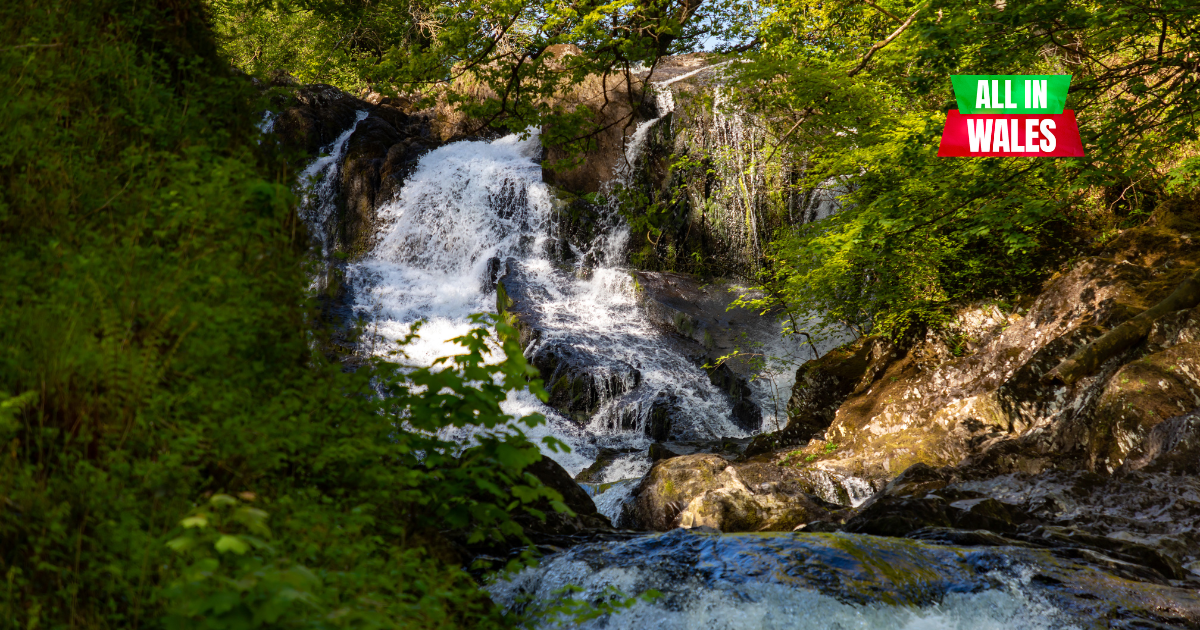
The Llugwy is perhaps the most dramatic of the three rivers, its waters tumbling through a series of falls and rapids that have become major attractions. Rising on the slopes of Carnedd Llewelyn, the river flows through Capel Curig before reaching Betws y Coed, gathering volume and power as it descends.
Swallow Falls, the most famous waterfall in Snowdonia, lies on the Llugwy approximately two miles upstream from Betws y Coed. The river continues through the village, passing beneath Pont y Pair and providing the constant soundtrack of rushing water that characterises Betws y Coed.
The Llugwy offers opportunities for white water kayaking when levels are suitable, and the rocks along its course provide sunbathing spots on warm days. However, the river can be dangerous, with strong currents and submerged hazards, and swimming is not recommended.
The River Lledr
The Lledr flows from the west, descending through the Lledr Valley from Dolwyddelan and the mountains beyond. The valley carries both road and railway, providing one of the most scenic approaches to Betws y Coed.
The Lledr joins the Conwy just south of the village centre, its waters adding to the flow that continues towards the sea. The valley is less visited than some areas around Betws y Coed, offering opportunities for quieter exploration.
Pont y Pair
Pont y Pair, the Bridge of the Cauldron, spans the River Llugwy at the heart of Betws y Coed and is perhaps the most photographed feature of the village. The bridge takes its name from the churning pool below, where the river tumbles over rocks creating the “cauldron” effect that has attracted visitors for centuries.
The current bridge dates from the fifteenth century, though it has been rebuilt and repaired numerous times since. The structure consists of five stone arches, their irregular shapes reflecting the organic development of the bridge over time. The bridge is open to pedestrians, allowing visitors to stand above the rushing waters and observe the river’s power.
The pool below Pont y Pair is popular with visitors, who gather on the rocks to watch the water and, on warm days, to paddle and swim in the calmer sections. However, the currents can be deceptively strong, and caution is essential.
Waterloo Bridge
The Waterloo Bridge carries the A5 over the River Conwy at the eastern edge of Betws y Coed. Designed by Thomas Telford and completed in 1815, the bridge was named to commemorate the Battle of Waterloo, which was fought in the same year.
The bridge is a cast iron structure, its single span decorated with the emblems of the four nations of the United Kingdom: the rose of England, the thistle of Scotland, the shamrock of Ireland, and the leek of Wales. The inscription on the bridge reads “This arch was constructed in the same year the Battle of Waterloo was fought.”
The Waterloo Bridge remains in use, carrying the busy A5 traffic that passes through Betws y Coed. Viewing the bridge from below reveals its elegant ironwork, a testament to the engineering skills of the early nineteenth century.
Pont y Miners Bridge
The Miners Bridge is a wooden footbridge spanning the River Llugwy in the Gwydyr Forest, approximately one mile from the village centre. The bridge takes its name from the lead miners who once used this crossing to reach the mines in the hills above.
The current bridge is a modern replacement, but the crossing has existed for centuries. The bridge provides access to walking trails in the Gwydyr Forest and features in several popular circular walks from Betws y Coed.
Fairy Glen Bridge
The small bridge at Fairy Glen, upstream from Betws y Coed, provides access to one of the most beautiful spots on the River Conwy. The glen itself is privately owned, with a small admission charge, but the bridge and surrounding paths offer attractive walking.
Waterfalls
The rivers around Betws y Coed descend through a series of waterfalls that rank among the finest in Wales. These cascades have attracted visitors since Victorian times and remain among the most popular attractions in Snowdonia.
Swallow Falls (Rhaeadr Ewynnol)
Swallow Falls is the most famous waterfall in Wales and one of the most visited natural attractions in the country. Located approximately two miles west of Betws y Coed on the River Llugwy, the falls have been a tourist destination since Victorian times.
The Welsh name, Rhaeadr Ewynnol, means “foaming waterfall,” accurately describing the turbulent cascade. The river drops through a series of steps, churning into white foam as it crashes over rocks and through narrow channels. The effect is particularly impressive after heavy rain, when the river runs high and the falls thunder with tremendous force.
Access to Swallow Falls is via a privately owned entrance that charges a small admission fee. From the entrance, a short path leads to viewing platforms positioned above the falls at various levels. The platforms can be crowded during busy periods, but they provide excellent views of the cascade.
Getting there: Swallow Falls is located on the A5 approximately 2 miles west of Betws y Coed, heading towards Capel Curig. A car park is located opposite the entrance.
Conwy Falls (Rhaeadr y Graig Lwyd)
Conwy Falls lies approximately three miles south of Betws y Coed on the River Conwy, where the water plunges through a dramatic gorge carved over millennia. The falls are less visited than Swallow Falls, offering a wilder and more atmospheric experience.
The gorge walls rise steeply on either side of the falls, draped with ferns, mosses, and twisted trees. The river tumbles through a series of cascades into deep green pools, creating a landscape of remarkable beauty.
Access is via the Conwy Falls Cafe, which charges a small admission fee for access to the viewing platforms. The cafe provides refreshments and a pleasant stop before or after viewing the falls.
Getting there: Conwy Falls is located on the A5 approximately 3 miles south of Betws y Coed. The Conwy Falls Cafe provides access and parking.
Fairy Glen (Ffos Anoddun)
Fairy Glen is a magical wooded gorge on the River Conwy, where the water flows through a narrow rocky channel creating a landscape that inspired its enchanting name. The glen is privately owned, with a small admission charge for access.
The narrow gorge, twisted trees, moss covered rocks, and constantly moving water create an atmosphere quite unlike anywhere else in the area. The glen has a contemplative quality that rewards those willing to spend time absorbing its beauty rather than rushing through.
Getting there: Fairy Glen is accessed from a small parking area on the A470 approximately 1 mile south of Betws y Coed. The parking area is limited, and the path down to the glen involves steep and potentially slippery terrain.
Gwydyr Forest
Gwydyr Forest surrounds Betws y Coed on three sides, clothing the valley slopes in a mixture of native woodland and commercial forestry. The forest provides extensive opportunities for walking, mountain biking, and nature observation, all within easy reach of the village.
History of the Forest
The area now covered by Gwydyr Forest has been wooded for thousands of years, though the current forest is largely a twentieth century creation. During the medieval and early modern periods, much of the land was cleared for agriculture and the charcoal burning that fuelled local industries.
Systematic forestry began in the early twentieth century, with the Forestry Commission acquiring land and planting commercial conifer crops. These plantations now cover much of the forest, though significant areas of native woodland survive, particularly along the rivers and in areas less suitable for commercial forestry.
In recent decades, management has shifted towards greater emphasis on native woodland, recreation, and conservation. Large scale felling of mature conifers has opened clearings that are being replanted with native species, gradually transforming the character of the forest.
Walking in Gwydyr Forest
The forest contains an extensive network of paths and trails suitable for walkers of all abilities:
The Miners Trail follows paths used by lead miners in the nineteenth century, passing abandoned mine workings and providing insights into the area’s industrial history.
Llyn Elsi is a reservoir in the forest above Betws y Coed, reached by a steady climb from the village. The lake provides an attractive destination, with a circular path around its shores.
Llyn Parc offers another lake destination within the forest, quieter than Llyn Elsi and reached by longer walks from the village.
Numerous waymarked trails of varying lengths and difficulties allow visitors to explore different parts of the forest according to their interests and abilities.
Mountain Biking
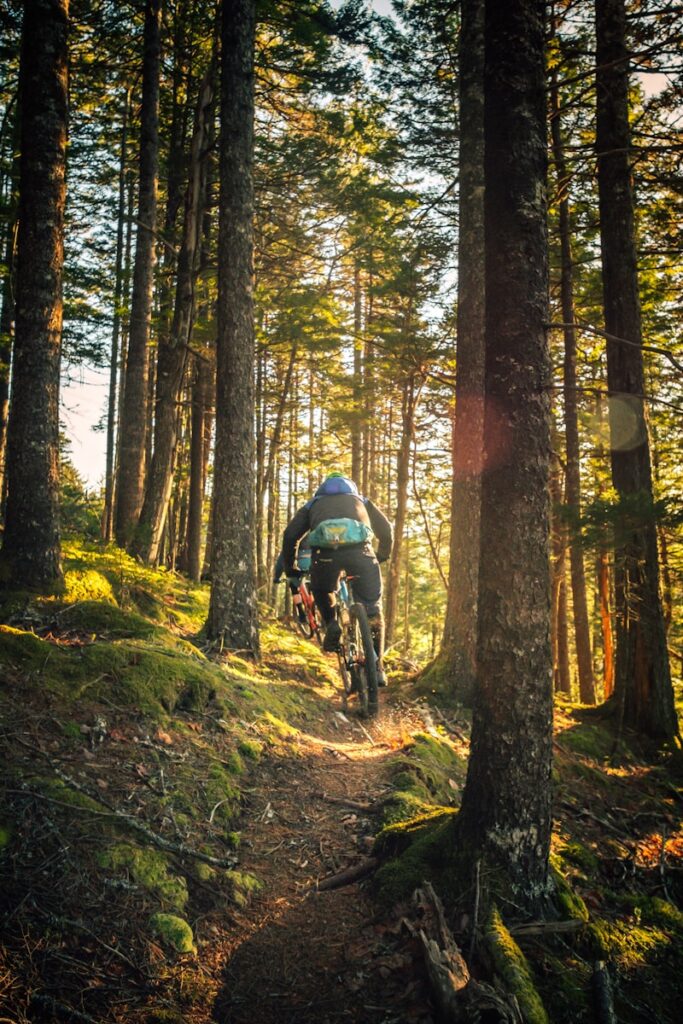
Gwydyr Forest has become a popular mountain biking destination, with trails ranging from gentle forest roads to challenging singletrack:
Marin Trail is the main mountain biking trail in the forest, a 25 kilometre loop featuring singletrack, forest roads, and technical sections. The trail is graded red (difficult) and attracts riders from across Britain.
Penmachno Trail offers an alternative route, also graded red, with a different character from the Marin Trail.
Easier routes on forest roads and green graded trails suit beginners and families.
Wildlife
Gwydyr Forest supports diverse wildlife, with patient observers likely to encounter various species:
Red squirrels survive in the forest, one of the few remaining populations in Wales. The squirrels favour areas of mature conifers where pine cones provide food.
Goshawks breed in the forest, these powerful raptors hunting through the woodland and displaying over the trees in spring.
Crossbills feed on pine cones in the conifer plantations, their distinctive calls alerting observers to their presence.
Pied flycatchers, redstarts, and wood warblers breed in the native woodland areas during summer.
Walking from Betws y Coed
Betws y Coed provides the starting point for walks ranging from gentle riverside strolls to challenging mountain expeditions. The variety of terrain within easy reach makes the village an ideal base for walkers of all abilities.
Riverside Walks
The Llugwy Valley walk follows the river upstream from the village towards Swallow Falls and beyond. The path passes through woodland and along the riverbank, with the constant companionship of rushing water. The walk to Swallow Falls takes approximately 45 minutes each way, but can be extended to Capel Curig for a longer expedition.
The Conwy Valley walk follows the larger river downstream towards Llanrwst, passing through farmland and woodland with views across the valley. The walking is generally level and suitable for most abilities.
The Lledr Valley offers quieter walking upstream towards Dolwyddelan, with the river and railway providing companions along the valley floor.
Forest Walks
Llyn Elsi circular climbs from the village into Gwydyr Forest, reaching the reservoir before returning via a different route. The walk takes approximately 2 to 3 hours and involves steady climbing.
The Miners Bridge circular uses the historic footbridge to create a pleasant loop through the forest and along the Llugwy, taking approximately 1 to 2 hours.
Artist’s Wood walk follows paths through the woodland that inspired Victorian artists, with viewpoints over the village and valley.
Mountain Walks
Moel Siabod is the nearest significant peak to Betws y Coed, a 872 metre summit offering extensive views across Snowdonia. The ascent from Pont Cyfyng near Capel Curig takes approximately 3 to 4 hours for the round trip.
The Carneddau are accessible from Betws y Coed via the Ogwen Valley, offering some of the finest mountain walking in Wales. Full day expeditions are required for these higher peaks.
The Glyderau including Tryfan and the Glyder peaks are within reach for day walks from Betws y Coed, though these routes demand experience and appropriate equipment.
Waymarked Trails
Several waymarked trails start from or pass through Betws y Coed:
The North Wales Path passes through the village as part of its 60 mile route from Prestatyn to Bangor.
The Conwy Valley Way follows the river from its source to the sea, with Betws y Coed forming a natural stopping point.
Various local trails waymarked by Snowdonia National Park provide options for shorter walks.
Shopping
Betws y Coed has developed as the premier outdoor equipment shopping destination in Wales, with an extraordinary concentration of retailers serving walkers, climbers, and adventurers.
Outdoor Equipment
The main street is lined with outdoor shops, ranging from major national chains to independent specialists:
Cotswold Outdoor, Go Outdoors, and other chain stores stock comprehensive ranges of walking, climbing, and camping equipment.
Independent specialists offer expert advice and carefully curated selections of quality gear.
Boot fitting services help walkers find footwear suited to their needs and feet.
Equipment hire is available for those who need gear for specific expeditions without wanting to purchase.
The concentration of shops creates competition that benefits consumers, with good prices and the ability to compare products across multiple retailers. The knowledgeable staff in many stores can advise on equipment choices based on genuine experience.
Other Shopping
Beyond outdoor equipment, Betws y Coed offers:
Gift shops selling Welsh crafts, souvenirs, and local products.
Art galleries continuing the artistic tradition established in Victorian times.
Food shops including delicatessens and Welsh produce specialists.
Bookshops with selections focused on walking guides, local interest, and outdoor literature.
General stores providing everyday necessities for visitors and residents.
Markets and Events
Occasional markets and events add variety to the regular shopping:
Craft markets occur periodically, featuring local makers and artisans.
Food festivals celebrate Welsh produce and culinary traditions.
Seasonal events around Christmas and other holidays bring special shopping opportunities.
Eating and Drinking
Betws y Coed offers numerous options for eating and drinking, from quick refuelling stops to leisurely meals in atmospheric settings.
Cafes and Tea Rooms
The village contains numerous cafes serving the constant stream of visitors:
Traditional tea rooms offer Welsh cakes, bara brith, and afternoon tea in cosy settings.
Contemporary cafes serve specialty coffees, brunches, and lighter fare.
Outdoor cafes with riverside seating provide pleasant spots on fine days.
The cafes cater to the early starts and hearty appetites of walkers, with many opening early and serving substantial breakfasts. Post walk refreshment is equally well catered for, with cakes and treats rewarding those returning from the hills.
Restaurants
For more substantial dining:
Bistro Betws y Coed and similar establishments offer contemporary Welsh cooking featuring local produce.
Hotel restaurants including the Royal Oak provide traditional dining in historic settings.
Italian, Indian, and other cuisines offer alternatives to Welsh and British cooking.
The overall standard of food in Betws y Coed is good, with most establishments recognising that visitors have choices and maintaining quality accordingly.
Pubs
Several pubs serve the village:
The Royal Oak has welcomed travellers since the coaching era, its atmospheric bars providing refreshment in historic surroundings.
The Stables Bar and other establishments offer alternatives with different characters.
Pub food is available at most establishments, ranging from traditional bar meals to more ambitious menus.
The pubs provide social hubs for the village, gathering places where walkers exchange stories and locals maintain community connections.
Takeaways and Quick Food
For those seeking quick refuelling:
Fish and chip shops provide the traditional British takeaway.
Sandwich shops prepare packed lunches for walkers heading into the hills.
Bakeries sell pasties, pies, and other portable sustenance.
Accommodation
Betws y Coed offers accommodation across all price ranges and styles, from luxury hotels to budget hostels and everything between.
Hotels
The Royal Oak Hotel occupies a prominent position in the village centre, its history stretching back to the coaching era. The hotel offers comfortable rooms, dining, and the atmosphere of a traditional country hotel.
Waterloo Hotel and other establishments provide similar accommodation in Victorian buildings with modern amenities.
Boutique hotels offer more contemporary styling for those seeking design led accommodation.
Guesthouses and Bed and Breakfasts
Numerous guesthouses and B&Bs provide accommodation throughout the village and surrounding area:
Victorian guesthouses occupy the handsome buildings that line the approach roads, offering comfortable rooms and traditional hospitality.
Farm B&Bs in the surrounding countryside provide rural settings with mountain views.
Contemporary B&Bs offer more modern styling and amenities.
The personal service and local knowledge offered by guesthouse hosts often exceeds what larger establishments can provide, and many visitors prefer this more intimate style of accommodation.
Self Catering
Self catering options suit those preferring independence:
Cottages in the village and surrounding area range from historic properties to modern conversions.
Apartments provide self contained accommodation closer to the village centre.
Larger properties accommodate groups and families.
Self catering allows visitors to set their own schedules and cater to specific dietary requirements, while providing a base from which to explore the area.
Hostels and Budget Accommodation
Budget conscious visitors find options including:
YHA Betws y Coed provides youth hostel accommodation in a riverside setting.
Independent hostels and bunkhouses offer alternatives to the YHA.
Camping and caravan sites in the surrounding area provide the most affordable options for those with appropriate equipment.
Booking Considerations
Accommodation in Betws y Coed books quickly during peak periods:
Summer holidays and bank holiday weekends see high demand and premium prices.
Walking festivals and events can fill the village.
Winter weekends attract visitors for low season walking and seasonal atmosphere.
Booking well in advance is advisable for peak periods, while last minute availability may be found during quieter times.
Activities and Adventures
Beyond walking, Betws y Coed provides access to a wide range of outdoor activities and adventures.
Climbing and Mountaineering
The crags and mountains around Betws y Coed have attracted climbers since the sport’s earliest days:
Tryfan, the Idwal Slabs, and other classic venues lie within easy reach.
Climbing instruction is available from qualified guides and outdoor centres.
Indoor climbing walls provide training and wet weather alternatives.
The area’s climbing history stretches back to the Victorian pioneers, and the routes established here include some of the most famous in British climbing.
Mountain Biking
The trails in Gwydyr Forest and beyond provide excellent mountain biking:
The Marin Trail offers challenging singletrack in a forest setting.
Coed y Brenin and other world class trail centres lie within reach for day trips.
Bike hire and skills coaching are available locally.
White Water Activities
The rivers around Betws y Coed offer white water experiences:
Kayaking on the Llugwy and other rivers when water levels permit.
White water rafting on the Tryweryn and other managed rivers.
Canyoning and gorge walking in the rocky valleys.
Adventure Activities
Various adventure activities cater to thrill seekers:
Zip World at Penrhyn Quarry offers the longest zip line in Europe and other attractions.
Go Below provides underground adventures in abandoned slate mines.
Tree top adventures and high ropes courses provide family friendly thrills.
Fishing
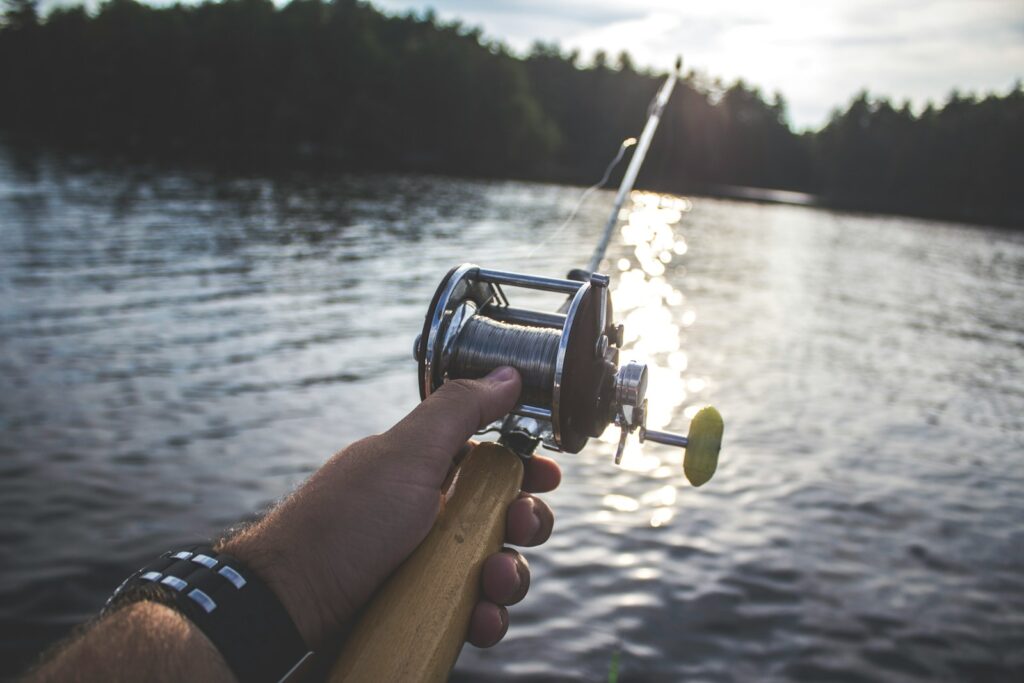
The rivers around Betws y Coed support game fishing:
Salmon and sea trout run the Conwy system.
Brown trout inhabit the smaller streams and lakes.
Permits and guided fishing are available locally.
Wildlife Watching
The area provides opportunities for observing wildlife:
Red squirrel watching in Gwydyr Forest.
Bird watching in the forests and mountains.
Seasonal wildlife events including salmon runs and bird migration.
Practical Information for Visitors
Getting to Betws y Coed
By car: Betws y Coed lies at the junction of the A5 and A470, making it accessible from multiple directions. From Chester and the northwest, follow the A55 to Llandudno Junction then the A470 south. From Shrewsbury and the midlands, follow the A5 through Llangollen and Snowdonia. From south Wales, the A470 provides a scenic route through mid Wales. Sat nav postcode: LL24 0AH for the village centre.
By train: Betws y Coed has a railway station on the Conwy Valley Line, with services from Llandudno Junction connecting to the main north Wales coast route. The scenic journey along the Conwy Valley adds to the pleasure of arrival. Services run approximately every two hours, with reduced frequency on Sundays.
By bus: Bus services connect Betws y Coed with Llandudno, Bangor, and other destinations. The Snowdon Sherpa service provides connections to walking destinations throughout Snowdonia during the walking season.
Parking
Parking in Betws y Coed can be challenging during busy periods:
The main car park behind the railway station provides the largest number of spaces, with pay and display charging.
Smaller car parks at various locations around the village offer alternatives when the main car park is full.
Street parking is limited and often full during peak times.
Arriving early is strongly recommended during summer weekends and bank holidays.
Information and Services
The Snowdonia National Park Information Centre is located in the village centre, providing information about the national park, walking routes, weather conditions, and local attractions. Staff can advise on suitable walks for different abilities and conditions.
Outdoor shops provide informal information and advice, with staff often able to recommend routes and activities based on personal experience.
Banks and ATMs are available in the village, though not all banks are represented.
Medical services are limited in the village itself. The nearest hospital is Ysbyty Gwynedd in Bangor, approximately 20 miles away.
Weather and Conditions
The weather in Betws y Coed and the surrounding mountains can change rapidly:
Rainfall is frequent, with the area receiving over 2000mm annually. Waterproof clothing is essential for any outdoor activity.
Temperature drops significantly with altitude. The summits can be 10 degrees cooler than the valley, with wind chill reducing effective temperatures further.
Visibility can deteriorate rapidly as cloud descends on the mountains. Navigation skills are essential for higher walks.
Winter conditions bring snow and ice to the mountains, requiring specialist equipment and skills.
Always check the forecast before heading into the hills, and be prepared to modify plans if conditions deteriorate.
Best Time to Visit
Summer (June to August) offers the longest days and warmest weather, ideal for mountain walking and outdoor activities. This is also the busiest period, with crowded paths and accommodation at premium prices.
Spring (March to May) brings improving weather with fewer visitors. Early spring can be wintry in the mountains, but late spring offers excellent conditions.
Autumn (September to November) provides beautiful colours and often stable weather, with significantly fewer visitors than summer. Late autumn brings shorter days and increasing likelihood of poor weather.
Winter (December to February) sees Betws y Coed at its quietest. The village retains its charm, and the surrounding forests offer pleasant walking even when the mountains are under snow. Winter mountain walking requires experience and appropriate equipment.
Day Trips from Betws y Coed
Betws y Coed provides an excellent base for exploring Snowdonia and the wider north Wales region.
Snowdon
The highest mountain in Wales lies approximately 10 miles from Betws y Coed:
The Snowdon Mountain Railway from Llanberis carries passengers to the summit without the need to walk.
Multiple walking routes offer ascents for all abilities, from the gentler Llanberis Path to the challenging Crib Goch ridge.
The Sherpa bus service provides transport to various starting points.
Conwy
The medieval walled town of Conwy lies approximately 15 miles from Betws y Coed:
Conwy Castle is one of the finest Edwardian fortresses in Wales.
The town walls provide walkable medieval defences.
The smallest house in Britain is a quirky attraction on the quayside.
Llandudno
The Victorian resort of Llandudno lies approximately 20 miles from Betws y Coed:
The Great Orme headland offers cable car, tramway, and walking access.
Victorian architecture creates an elegant seaside atmosphere.
Shopping and entertainment extend the options available in Betws y Coed.
Bodnant Garden
This National Trust garden lies approximately 10 miles from Betws y Coed:
World famous gardens feature spectacular displays, particularly the laburnum arch in late spring.
All year interest from different seasonal plantings.
Portmeirion
The Italianate fantasy village lies approximately 25 miles from Betws y Coed:
Unique architecture created by Sir Clough Williams Ellis over 50 years.
The setting for The Prisoner television series.
Gardens and woodland surrounding the village.
Slate Heritage
The slate industry shaped this part of Wales, and several attractions tell its story:
The National Slate Museum at Llanberis is free to enter and explains the industry’s history.
Llechwedd Slate Caverns offer underground tours of former working mines.
Zip World at Penrhyn Quarry combines industrial heritage with adventure activities.
Events and Festivals
Betws y Coed hosts various events throughout the year that add interest to visits at different seasons.
Walking Festivals
Walking festivals bring guided walks, talks, and social events:
The Snowdonia Walking Festival includes events based in Betws y Coed.
Various smaller festivals throughout the year cater to different interests.
Running Events
The area hosts numerous running events:
Trail races through the forests and mountains.
Fell races on the higher peaks.
Ultra marathons crossing extended distances.
Cycling Events
Cycling events bring riders to the area:
Mountain bike races on the forest trails.
Sportives on the mountain roads.
Cycling festivals combining racing with recreational events.
Seasonal Events
Christmas events bring festive atmosphere to the village.
Easter activities mark the start of the main tourist season.
Summer events provide entertainment during the peak period.
Frequently Asked Questions About Betws y Coed
Where is Betws y Coed located?
Betws y Coed is located in the heart of Snowdonia National Park in north Wales, at the confluence of the rivers Conwy, Llugwy, and Lledr. It lies approximately 15 miles south of Llandudno and 25 miles east of Caernarfon.
How do you pronounce Betws y Coed?
Betws y Coed is pronounced approximately as “BET oos uh KOYD” with the emphasis on the first and last syllables. The “w” in Welsh acts as a vowel, similar to the “oo” sound.
What does Betws y Coed mean?
Betws y Coed translates from Welsh as “prayer house in the wood,” referring to the village’s origins as a religious settlement in a forested location.
Is Betws y Coed worth visiting?
Yes, Betws y Coed is highly worth visiting for its beautiful natural setting, historic bridges and waterfalls, excellent outdoor activities, and charming village atmosphere. It serves as the ideal gateway to Snowdonia National Park.
What is there to do in Betws y Coed?
Activities include walking at all levels from riverside strolls to mountain expeditions, visiting waterfalls including Swallow Falls and Conwy Falls, exploring Gwydyr Forest, shopping for outdoor equipment, and using the village as a base for climbing, mountain biking, and other adventures.
Where are Swallow Falls?
Swallow Falls is located on the River Llugwy approximately 2 miles west of Betws y Coed on the A5 road towards Capel Curig. A small admission fee is charged for access to the viewing platforms.
Can you swim at Swallow Falls?
Swimming is not permitted at Swallow Falls. The waterfall and surrounding waters are dangerous due to strong currents, submerged rocks, and unpredictable water levels.
Is there a train station at Betws y Coed?
Yes, Betws y Coed has a railway station on the Conwy Valley Line, with services to Llandudno Junction where connections can be made to the main north Wales coast line.
Is there parking in Betws y Coed?
Yes, the main car park is located behind the railway station with pay and display charging. Smaller car parks around the village provide alternatives. Parking can be challenging during busy periods, and early arrival is recommended.
What is Pont y Pair?
Pont y Pair (Bridge of the Cauldron) is a fifteenth century stone bridge spanning the River Llugwy in the heart of Betws y Coed. It is one of the most photographed features of the village.
What is Gwydyr Forest?
Gwydyr Forest is an extensive woodland surrounding Betws y Coed, offering walking trails, mountain biking routes, and wildlife watching opportunities. The forest includes both native woodland and commercial forestry.
Are there red squirrels in Betws y Coed?
Yes, red squirrels survive in Gwydyr Forest, one of the few remaining populations in Wales. They favour areas of mature conifers and can be seen by patient observers.
How far is Betws y Coed from Snowdon?
Betws y Coed is approximately 10 miles from the base of Snowdon at Pen y Pass and approximately 12 miles from Llanberis where the Snowdon Mountain Railway departs.
Is Betws y Coed good for families?
Yes, Betws y Coed is excellent for families, with riverside walks, forest trails, waterfalls, and various attractions suitable for children. The village provides good facilities including cafes, shops, and accommodation suitable for families.
What is the best time to visit Betws y Coed?
Summer offers the warmest weather and longest days but brings the largest crowds. Spring and autumn provide pleasant conditions with fewer visitors. Winter is quiet but atmospheric, with the forests and lower walks enjoyable even when mountains are snow covered.
Are dogs allowed in Betws y Coed?
Yes, dogs are welcome in Betws y Coed and on most walking routes in the area. Dogs should be kept under control due to sheep grazing on open land. Some cafes and shops welcome dogs, while others may have restrictions.
What outdoor shops are in Betws y Coed?
Betws y Coed has numerous outdoor equipment shops including national chains such as Cotswold Outdoor and Go Outdoors, plus independent specialists. The concentration of shops makes it the premier outdoor equipment shopping destination in Wales.
Is Betws y Coed in Snowdonia National Park?
Yes, Betws y Coed lies within Snowdonia National Park and serves as one of the main gateways to the park. The Snowdonia National Park Information Centre is located in the village.
Latest Articles:
Snowdon Frequently Asked Questions
The Ultimate Snowdon (Yr Wyddfa) Climb: Which Trail Will You Take? Interactive Map
Snowdonia Waterfalls: A Complete Guide to the Most Spectacular Falls in North Wales
