
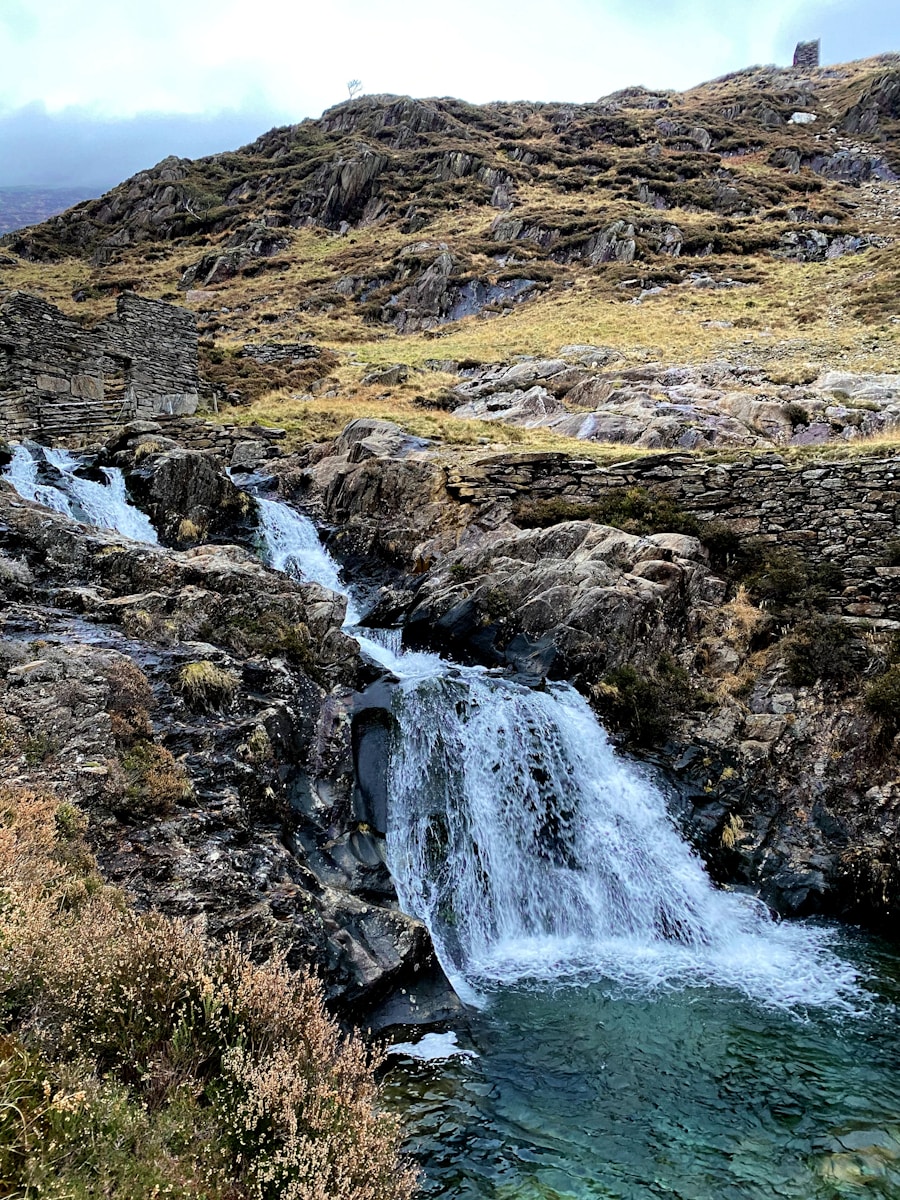

ARTICLE SUMMARY
Snowdonia National Park is home to some of the most spectacular waterfalls in Britain, from thundering cascades plunging hundreds of feet to hidden woodland falls tucked away in ancient forests. This comprehensive guide covers the best waterfalls in Snowdonia, including detailed directions on how to reach them, what to expect when you arrive, and practical information for planning your waterfall adventures. Whether you’re seeking easy roadside viewpoints or challenging mountain hikes, Snowdonia’s waterfalls offer unforgettable experiences for visitors of all abilities.
The Waterfall Landscape of Snowdonia
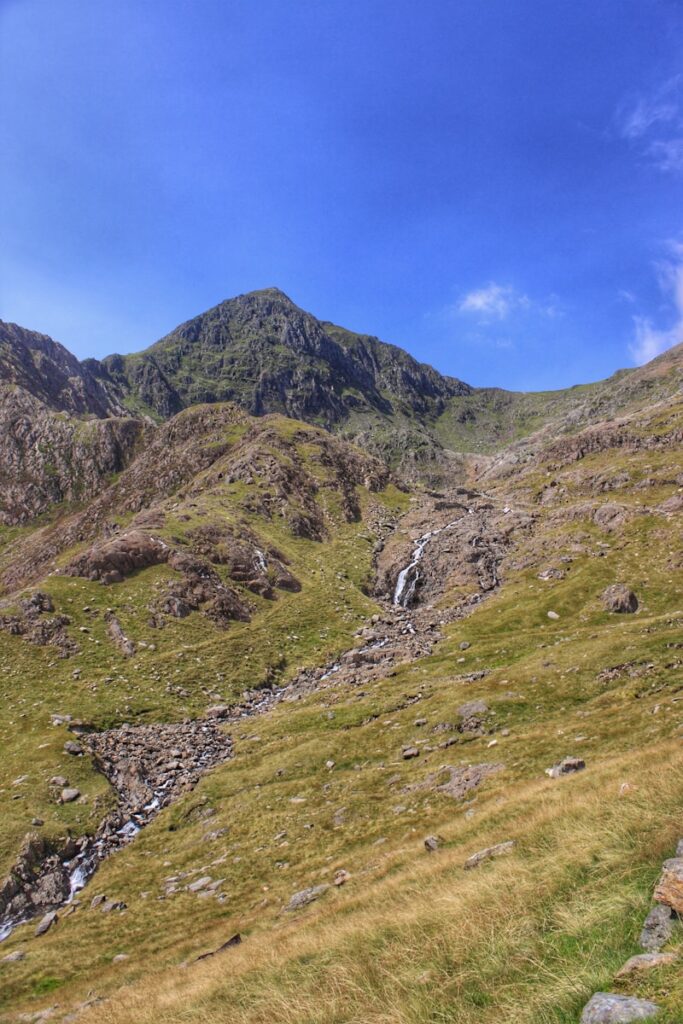
Snowdonia’s dramatic landscape owes much to water—the rain that falls on its peaks, the rivers that carve through its valleys, and the waterfalls that punctuate its hillsides with spectacular displays of natural power. This corner of Wales receives some of the highest rainfall in Britain, with certain areas recording over 200 inches annually. All that water has to go somewhere, and as it tumbles from the mountains towards the sea, it creates waterfalls that rank among the finest in the British Isles.
The geology of Snowdonia provides the perfect canvas for waterfall formation. Ancient volcanic rocks, sculpted by ice ages into dramatic cliffs and cwms, create the sudden drops over which rivers plunge. Glacially carved valleys with steep sides channel streams into concentrated flows. Faults and fractures in the bedrock create steps and ledges that transform gentle streams into roaring cascades.
For visitors, these waterfalls offer some of the most rewarding experiences in the national park. Unlike mountain summits, which demand fitness and favourable weather, many waterfalls can be enjoyed by visitors of all abilities. Some require nothing more than a short stroll from a car park; others reward those willing to hike into the mountains with sights few others will witness. All provide that particular magic of falling water—the sound, the spray, the ever-changing play of light through the cascade.
This guide covers the most impressive and accessible waterfalls in Snowdonia, organised to help you plan visits according to your interests and abilities. Each entry includes directions for reaching the falls, information about the walk required, and tips for making the most of your visit.
Also If you are thinking of climbing Snowdon check out this article: The Ultimate Snowdon (Yr Wyddfa) Climb: Which Trail Will You Take? Interactive Map
Aber Falls (Rhaeadr Fawr)
Overview
Aber Falls is perhaps the most spectacular single waterfall in Snowdonia, a dramatic 120-foot cascade plunging over a cliff face into a boulder-strewn pool below. Known in Welsh as Rhaeadr Fawr (the Great Waterfall), it has drawn visitors for centuries and remains one of the most popular natural attractions in north Wales.
The falls are at their most impressive after heavy rain, when the River Goch transforms from a modest stream into a thundering torrent. In dry spells, the flow diminishes significantly, so timing your visit after wet weather will reward you with a more dramatic spectacle. Winter visits can be particularly memorable, with the surrounding hillsides dusted with snow and ice formations building around the falls.
The Walk
The walk to Aber Falls is one of the finest easy walks in Snowdonia, suitable for families and visitors of most abilities. The route follows a well-maintained path through the Coedydd Aber National Nature Reserve, passing through ancient oak woodland and alongside the river before arriving at the falls.
Distance: Approximately 2 miles each way (4 miles round trip) Time: Allow 2 to 3 hours for the round trip, including time at the falls Difficulty: Easy to moderate—mostly level or gentle gradients on good paths Terrain: Well-surfaced paths for most of the route, with some rougher sections near the falls
The path is suitable for sturdy pushchairs for most of its length, though the final section approaching the falls becomes rougher. Dogs are welcome but should be kept on leads due to livestock grazing in the area.
How to Get There
By car: From the A55 North Wales Expressway, take the exit for Abergwyngregyn (between Bangor and Llanfairfechan). Follow signs for Aber Falls through the village, continuing along a narrow lane to the car park at Bont Newydd. Sat nav postcode: LL33 0LP.
Parking: A pay-and-display car park at Bont Newydd provides the starting point for the walk. The car park can fill quickly on sunny weekends and during school holidays, so early arrival is advisable. There are toilet facilities at the car park.
By public transport: The nearest railway station is Llanfairfechan on the North Wales Coast Line, approximately 3 miles from the car park. Bus services are limited, making this waterfall easier to visit by car.
What to Expect
From the car park, the path crosses the river via a footbridge and enters the nature reserve. The initial section passes through farmland with views towards the coast before entering the oak woodland that cloaks the lower valley. The ancient trees—gnarled oaks, birches, and rowans—create a magical atmosphere, particularly in autumn when the leaves turn gold and bronze.
As you progress up the valley, the sound of falling water grows louder, building anticipation for what lies ahead. The path crosses the river again and begins to climb more steeply as the valley narrows. Finally, the trees part to reveal the waterfall in its full glory—a curtain of white water plunging over dark cliff face into the pool below.
A viewing area near the base of the falls allows you to appreciate the scale and power of the cascade. On windy days, spray from the falls can reach the viewing area, so waterproof clothing is advisable. The pool at the base is not suitable for swimming due to submerged rocks and unpredictable currents.
Additional Information
For a longer walk, continue past the main falls to reach Rhaeadr Bach (the Small Waterfall), a secondary cascade a short distance upstream. More adventurous walkers can extend the walk further into the mountains, climbing towards the Carneddau peaks, though this requires proper equipment and navigation skills.
The Coedydd Aber National Nature Reserve protects one of the finest examples of Atlantic oakwood in Wales. The woodland supports rich communities of mosses, liverworts, and lichens, as well as breeding birds including pied flycatchers and redstarts. Keep an eye out for feral goats on the higher ground near the falls.
Swallow Falls (Rhaeadr Ewynnol)
Overview
Swallow Falls is arguably the most famous waterfall in Wales, a dramatic series of cascades on the River Llugwy near Betws-y-Coed. The falls have been a tourist attraction since Victorian times, when the railway brought visitors to this corner of Snowdonia, and they remain one of the most visited natural sites in the national park.
The Welsh name, Rhaeadr Ewynnol, means “foaming waterfall,” which perfectly captures the character of this turbulent cascade. The river drops through a series of steps, churning into white foam as it crashes over rocks and through narrow channels. The effect is particularly impressive after heavy rain, when the river runs high and the falls thunder with tremendous force.
The Walk
Swallow Falls requires virtually no walking—the viewing platforms are just a few steps from the roadside entrance. This makes the falls accessible to visitors of all abilities, though the platforms do involve some steps and uneven surfaces.
Distance: Approximately 100 metres from entrance to main viewing platform Time: Allow 15 to 30 minutes to enjoy the falls Difficulty: Easy—short walk with some steps Terrain: Paved paths and wooden platforms
How to Get There
By car: Swallow Falls is located on the A5 approximately 2 miles west of Betws-y-Coed, heading towards Capel Curig. The falls are clearly signposted, and a car park is located directly opposite the entrance. Sat nav postcode: LL24 0DW.
Parking: A dedicated car park opposite the falls entrance charges a fee. The car park is relatively small and can fill during busy periods. Alternative parking is available in Betws-y-Coed, from where you can walk to the falls along the riverside path.
By public transport: Betws-y-Coed has a railway station on the Conwy Valley Line, with services from Llandudno Junction. From the station, you can walk to Swallow Falls via the riverside path (approximately 2 miles) or catch the Sherpa bus service that runs along the A5.
What to Expect
Access to Swallow Falls is via a privately owned entrance that charges an admission fee (currently around £2). The fee contributes to the maintenance of the viewing platforms and paths. The falls are open daily during daylight hours, with extended opening in summer.
From the entrance, a short path leads down through woodland to a series of viewing platforms positioned at various levels above the falls. The main platform provides a dramatic view of the river plunging through a narrow rocky channel, while lower platforms offer different perspectives on the cascades.
The platforms can become crowded during busy periods, particularly on summer weekends and bank holidays. Early morning or late afternoon visits tend to be quieter. The platforms are fenced for safety, but the surfaces can be slippery when wet, so appropriate footwear is advisable.
Additional Information
Swallow Falls makes an excellent addition to a day exploring the Betws-y-Coed area. The village itself offers shops, cafés, and other attractions, while the surrounding forests provide numerous walking opportunities. The nearby Conwy Falls offers another impressive cascade and can be combined with Swallow Falls for a waterfall-themed day.
The falls are photogenic in all conditions, though photographers often prefer overcast days when the diffused light reveals detail in the white water without harsh shadows. Long exposures can create silky effects in the flowing water—a tripod is useful for this technique.
Conwy Falls (Rhaeadr y Graig Lwyd)
Overview
Conwy Falls, located a few miles south of Betws-y-Coed, offers a wilder and less crowded experience than its famous neighbour at Swallow Falls. The River Conwy plunges through a dramatic gorge here, creating a series of cascades that have carved deep pools into the ancient rock over millennia.
The falls were formed where the river crosses a band of particularly hard rock, creating a natural barrier that the water has gradually eroded into a spectacular chasm. The gorge walls rise steeply on either side, draped with ferns, mosses, and twisted trees that cling to every available foothold.
The Walk
Access to Conwy Falls involves a short walk from the café and car park to the viewing platforms overlooking the gorge.
Distance: Approximately 200 metres each way Time: Allow 30 minutes to an hour to enjoy the falls and café Difficulty: Easy—short walk with some steps Terrain: Well-maintained paths and wooden platforms
How to Get There
By car: Conwy Falls is located on the A5 approximately 3 miles south of Betws-y-Coed, heading towards Pentrefoelas. The Conwy Falls Café, which provides access to the falls, is clearly signposted. Sat nav postcode: LL24 0PN.
Parking: Parking is available at the Conwy Falls Café for customers. The car park is reasonably sized but can fill during busy periods.
By public transport: The nearest railway station is Betws-y-Coed, approximately 3 miles north. Bus services along the A5 are limited, making this waterfall easier to visit by car.
What to Expect
Access to the falls is via the Conwy Falls Café, which has operated here for over a century. A small admission fee is charged for access to the viewing platforms, or you can receive free access with a purchase at the café. The café serves refreshments throughout the day and makes a pleasant stop before or after viewing the falls.
From the café, a path leads through woodland to a series of viewing platforms perched above the gorge. The main platform offers a dramatic view down into the chasm, where the river churns through narrow channels and plunges into deep green pools. Additional viewpoints provide different perspectives on the falls and gorge.
The gorge creates its own microclimate, with cool, damp air rising from the churning water below. Ferns thrive in these conditions, and the rocks are carpeted with mosses and liverworts that give the gorge a prehistoric atmosphere.
Additional Information
For a longer walk, you can follow the riverside path downstream from the falls towards Betws-y-Coed. This path passes through ancient woodland and offers glimpses of the river as it continues its journey through further rapids and pools.
Conwy Falls has historical significance as a salmon leap. Atlantic salmon returning from the ocean to spawn in the upper Conwy had to navigate these falls to reach their breeding grounds. The fish would launch themselves repeatedly at the cascades until they cleared the obstacle. Salmon numbers have declined significantly in recent decades, but the falls remain a potential site for witnessing this remarkable natural behaviour.
Pistyll Rhaeadr
Overview
Pistyll Rhaeadr is widely considered the tallest single-drop waterfall in Wales and one of the “Seven Wonders of Wales” as listed in a traditional rhyme. The waterfall plunges approximately 240 feet down a cliff face in the Berwyn Mountains, creating a spectacle that has drawn visitors for centuries.
The falls occupy a remote location near the English border, far from the main tourist centres of Snowdonia. This relative isolation means fewer crowds than the more accessible falls, and the journey to reach Pistyll Rhaeadr—through winding lanes and past traditional farmsteads—is part of the experience.
The name translates as “spring of the waterfall” in Welsh, and the site has long been associated with legend and folklore. The natural rock arch through which part of the water flows has been attributed to various supernatural origins, and the falls are said to possess healing properties.
The Walk
Pistyll Rhaeadr requires minimal walking—the falls are visible from the car park and café, though a short walk brings you to better viewing positions.
Distance: A few hundred metres to the main viewing areas Time: Allow 1 to 2 hours to explore the falls and enjoy the café Difficulty: Easy to the main viewpoints; moderate if climbing the paths beside the falls Terrain: Well-maintained paths near the base; rougher paths for those climbing higher
How to Get There
By car: Pistyll Rhaeadr is located near the village of Llanrhaeadr-ym-Mochnant in Powys. From the A5 at Oswestry, head west on the B4396 to Llanrhaeadr-ym-Mochnant, then follow signs for Pistyll Rhaeadr along a narrow lane for approximately 4 miles. The road is single-track with passing places for much of its length. Sat nav postcode: SY10 0BZ.
From Snowdonia, approach via Bala on the B4391 to Llangynog, then follow signs over the Berwyn Mountains via narrow mountain roads. This route is scenic but challenging, with steep gradients and tight bends.
Parking: A car park at Tan-y-Pistyll farm serves visitors to the falls. A parking fee is charged, which contributes to the maintenance of the site. The car park can fill during busy periods, particularly on sunny weekends.
By public transport: Public transport to Pistyll Rhaeadr is extremely limited. The nearest railway stations are Gobowen (near Oswestry) and Chirk, both approximately 15 miles away. No regular bus services reach the falls, making a car essential for most visitors.
What to Expect
The falls are visible from the moment you arrive at the car park, an impressive sight that grows more dramatic as you approach. A well-maintained path leads from the car park to the base of the falls, where a footbridge crosses the stream and provides an excellent viewpoint.
From here, you can appreciate the full height of the cascade—the water plunging from the cliff top, passing through a natural rock arch approximately two-thirds of the way down, and thundering into the pool at the base. The spray from the falls creates rainbows on sunny days and keeps the surrounding rocks perpetually wet.
For those seeking a closer experience, steep paths climb beside the falls on both sides. The path on the left (facing the falls) climbs to a platform beside the natural arch, offering a dramatic perspective on the cascade. The path on the right climbs to the top of the falls, where the stream flows peacefully before its dramatic plunge. These paths are steep and can be slippery—appropriate footwear and caution are essential.
Tan-y-Pistyll café, operated by the farm that owns the site, serves refreshments including light meals, cakes, and drinks. The café provides a welcome stop after exploring the falls and helps support the maintenance of this remarkable site.
Additional Information
Pistyll Rhaeadr is at its most impressive after heavy rain, when the volume of water increases dramatically. However, the falls remain attractive in all conditions, and the relative dryness of the eastern Berwyn Mountains means the falls often flow well even when western Snowdonia is drought-stricken.
The site is popular with wild swimmers, with several pools below the falls providing cold but exhilarating bathing. Swimming is at your own risk, and the water is very cold year-round.
The remote location makes Pistyll Rhaeadr an excellent destination for those seeking to escape the crowds of more accessible waterfalls. The journey through the Welsh borderlands, with its traditional farms and sweeping moorland views, adds to the sense of discovery.
Dolgoch Falls
Overview
Dolgoch Falls is a series of beautiful cascades in the wooded gorge of the Nant Dolgoch, located in southern Snowdonia near Tywyn. The falls comprise three main cascades linked by woodland paths that wind through the gorge, creating a varied and atmospheric walking experience.
Unlike some Snowdonia waterfalls that depend on high rainfall, Dolgoch Falls maintains a consistent flow throughout the year thanks to the catchment area of the stream. This reliability, combined with the beautiful woodland setting, makes Dolgoch a rewarding destination in any season.
The falls have been a tourist attraction since Victorian times, when visitors would take the Talyllyn Railway from Tywyn and walk up the valley to admire the cascades. Today, that combination of narrow-gauge railway and waterfall walk remains one of the finest outings in southern Snowdonia.
The Walk
The walk at Dolgoch involves a circular route through the wooded gorge, visiting all three waterfalls via well-maintained paths.
Distance: Approximately 1 mile for the full circuit visiting all three falls Time: Allow 1 to 2 hours to explore the falls at leisure Difficulty: Moderate—involves some steep sections and steps Terrain: Woodland paths, some steep with steps and handrails
How to Get There
By car: Dolgoch Falls is located off the B4405 between Tywyn and Abergynolwyn. From Tywyn, follow the B4405 inland towards Abergynolwyn for approximately 4 miles. The Dolgoch Falls Hotel marks the location, with the car park accessed via a narrow lane beside the hotel. Sat nav postcode: LL36 9UW.
Parking: A small car park near the Dolgoch Falls Hotel serves visitors. The car park fills quickly during busy periods. Additional parking is sometimes available at the hotel for customers.
By train: The Talyllyn Railway, one of the “Great Little Trains of Wales,” stops at Dolgoch Falls station, adjacent to the car park. The heritage railway runs from Tywyn Wharf station and provides a delightful way to reach the falls, combining two classic Welsh experiences. Check the railway timetable for service times, as trains do not run daily throughout the year.
By public transport: Bus services along the B4405 are limited. The Talyllyn Railway provides the most practical public transport option.
What to Expect
From the car park, a path enters the wooded gorge and immediately begins to climb. The woodland is beautiful—native oak, birch, and ash trees draped with ferns, mosses, and lichens. The sound of falling water accompanies you as you ascend.
The Lower Falls, the first cascade, plunges into a pool surrounded by moss-covered rocks. A viewing platform provides an excellent vantage point. From here, the path continues upward via a series of steps to the Middle Falls, perhaps the most photogenic of the three—a graceful cascade dropping through a narrow rocky channel.
The path climbs further to the Upper Falls, the highest of the three. Here the stream drops over a broad rock face before continuing its descent through the gorge. A bridge above the falls allows you to cross the stream and return via the opposite bank, completing the circular walk.
The paths include some steep sections and numerous steps, which can be challenging for those with mobility difficulties. The routes are well-maintained with handrails in places, but sturdy footwear is essential as surfaces can be slippery when wet.
Additional Information
The Dolgoch Falls Hotel, located beside the car park, serves food and drinks and makes a convenient stop before or after exploring the falls. The hotel has catered to visitors since Victorian times.
For a full day’s outing, combine the falls with a ride on the Talyllyn Railway. The railway runs from Tywyn to Nant Gwernol, passing through beautiful scenery and stopping at Dolgoch Falls along the way. A Day Rover ticket allows unlimited travel, so you can explore the falls, continue to the end of the line at Nant Gwernol, and return at leisure.
The wooded gorge supports rich wildlife, including dippers and grey wagtails along the stream, and woodland birds including treecreepers and nuthatches. The damp conditions favour ferns and mosses, creating a lush green environment even in the driest summers.
Rhaeadr Mawddach (Mawddach Falls)
Overview
Rhaeadr Mawddach is a beautiful waterfall on the River Mawddach, set in the forested landscape of Coed y Brenin near Dolgellau. The falls comprise a series of cascades dropping through a rocky gorge, accessible via excellent forest trails that form part of the extensive Coed y Brenin Forest Park.
The falls are less well-known than some Snowdonia waterfalls, which means fewer crowds and a more peaceful experience. The surrounding forest park offers additional attractions including mountain biking trails, walking routes, and a visitor centre, making this an excellent destination for a full day’s exploration.
The Walk
The walk to Rhaeadr Mawddach follows well-maintained forest trails suitable for most abilities.
Distance: Approximately 2 miles round trip from the Tyddyn Gwladys car park Time: Allow 1 to 2 hours for the walk and time at the falls Difficulty: Easy to moderate—mostly gentle gradients on good paths Terrain: Forest roads and trails, some rougher sections near the falls
How to Get There
By car: The Mawddach Falls are accessed from the Coed y Brenin Forest Park. From Dolgellau, take the A470 north towards Trawsfynydd. After approximately 5 miles, turn right at the sign for Coed y Brenin Visitor Centre. For the falls specifically, continue past the visitor centre to the Tyddyn Gwladys car park, following signs for the Mawddach Trail. Sat nav postcode: LL40 2HZ for the visitor centre.
Parking: Several car parks serve different areas of Coed y Brenin Forest Park. The Tyddyn Gwladys car park provides the closest access to the Mawddach Falls. Parking charges apply throughout the forest park.
By public transport: Bus services to Coed y Brenin are limited. The T3 TrawsCymru service between Wrexham and Barmouth stops at Ganllwyd, approximately 1 mile from the visitor centre. From there, forest trails lead to the falls, extending the total walking distance.
What to Expect
From the Tyddyn Gwladys car park, follow the signed trail towards the falls. The path passes through mixed woodland, with conifers giving way to native oak and birch as you approach the river. The sound of falling water guides you towards your destination.
The falls come into view as the path descends towards the river—a series of cascades dropping through a rocky channel worn smooth by millennia of flowing water. A viewing platform provides an excellent vantage point, while informal paths allow exploration of other viewpoints for those comfortable on rougher terrain.
The falls are particularly impressive after heavy rain, when the Mawddach runs high and the cascades thunder with increased force. However, the wooded gorge setting makes this a rewarding destination in any conditions, with the play of light through the forest canopy adding to the atmosphere.
Additional Information
The Coed y Brenin Visitor Centre provides information about the forest park and its trails, as well as a café serving refreshments. The centre also houses bike hire facilities, as Coed y Brenin is one of Wales’s premier mountain biking destinations.
Numerous walking trails of varying lengths and difficulties traverse the forest park, allowing you to extend your visit beyond the falls. The forest is home to red squirrels, pine martens, and a variety of woodland birds, so keep your eyes open for wildlife as you walk.
The Precipice Walk, one of the finest low-level walks in Snowdonia, starts nearby and can be combined with a visit to the falls for a full day’s outing.
Ceunant Mawr Waterfall (Llanberis Falls)
Overview
Ceunant Mawr, meaning “great ravine” in Welsh, is an impressive waterfall on the outskirts of Llanberis, easily accessible for visitors exploring this popular gateway to Snowdon. The falls drop approximately 100 feet into a wooded gorge, providing a dramatic natural spectacle just minutes from the village centre.
The falls are less famous than some Snowdonia cascades but offer a quick and rewarding excursion for those based in Llanberis or passing through on the way to climb Snowdon.
The Walk
Ceunant Mawr is accessed via a short walk through woodland from Llanberis village.
Distance: Approximately 0.5 miles each way from the village centre Time: Allow 30 minutes to an hour for the visit Difficulty: Easy to moderate—short walk with some uneven terrain Terrain: Woodland paths, can be muddy after rain
How to Get There
By car: Llanberis is located on the A4086 at the foot of Snowdon. The village is well signposted from Caernarfon and from the A55 North Wales Expressway. Park in Llanberis and walk to the falls. Sat nav postcode: LL55 4SU for Llanberis village.
Parking: Several car parks serve Llanberis, including the main car park near the Snowdon Mountain Railway station. Parking charges apply and car parks can fill quickly on busy days, particularly when the weather is good for climbing Snowdon.
By public transport: The Snowdon Sherpa bus service connects Llanberis with Caernarfon, Bangor, and other points in Snowdonia. Buses stop in the village centre, from where the falls are a short walk.
What to Expect
From the main car park in Llanberis, walk through the village towards the Victoria Hotel. A signed path beside the hotel leads up into the wooded gorge of the Ceunant Mawr. The path climbs through mixed woodland, with the sound of falling water growing louder as you approach.
The falls come into view from various points along the path, with different vantage points offering different perspectives on the cascade. The water drops over a series of rocky ledges before plunging into the pool at the base of the gorge. The surrounding trees frame the falls attractively, particularly in autumn when the leaves change colour.
The path can be muddy after rain, and some sections are steep. Sturdy footwear is advisable, as is caution near the unfenced edges of the gorge.
Additional Information
Llanberis offers numerous other attractions, making Ceunant Mawr an easy addition to a day in the village. The Snowdon Mountain Railway, the Electric Mountain visitor centre at Dinorwig Power Station, the National Slate Museum, and the village’s many cafés and pubs provide plenty of options for extending your visit.
The falls can be combined with a walk around Llyn Padarn, the lake that occupies the valley floor beside Llanberis. The lakeside path offers easy walking with views towards Snowdon and the dramatic slate quarries that scar the hillsides above.
Fairy Glen (Ffos Anoddun)
Overview
Fairy Glen is a magical wooded gorge on the River Conwy near Betws-y-Coed, where the river tumbles through a narrow rocky channel creating a series of small waterfalls and cascades. The glen’s name reflects its enchanting atmosphere—twisted trees, moss-covered rocks, and the constant murmur of flowing water create a landscape that seems borrowed from a fantasy novel.
While the individual cascades are smaller than some Snowdonia waterfalls, the cumulative effect of the glen—the sequence of falls, pools, and rapids contained within its narrow confines—makes this one of the most atmospheric water features in the national park.
The Walk
Access to Fairy Glen involves a short walk from the road, with the option of exploring further along the river.
Distance: A few hundred metres from the road to the main viewpoints; longer walks possible Time: Allow 30 minutes to an hour for a basic visit; longer for extended exploration Difficulty: Moderate—involves some steep and uneven terrain Terrain: Woodland paths, rocks, tree roots; can be very slippery when wet
How to Get There
By car: Fairy Glen is accessed from a small parking area on the A470 approximately 1 mile south of Betws-y-Coed, heading towards Blaenau Ffestiniog. The parking area is on the left-hand side of the road and is easy to miss—look for a gate and path leading into the trees. Sat nav postcode: LL24 0SH (approximate).
Parking: The small informal parking area beside the road accommodates only a handful of vehicles. Arrive early or consider parking in Betws-y-Coed and walking along the riverside path.
By public transport: Betws-y-Coed has a railway station on the Conwy Valley Line. From the village, you can walk to Fairy Glen along the Conwy Valley path (approximately 1.5 miles) or catch a bus along the A470.
What to Expect
From the parking area, a path leads down through woodland to the river. The descent is steep in places and the terrain can be challenging—tree roots, rocks, and mud require careful footing. The path is not suitable for those with mobility difficulties.
The glen itself is a narrow rocky channel through which the River Conwy flows in a series of cascades and pools. The twisted trees that line the banks create a canopy overhead, filtering the light and adding to the mystical atmosphere. Moss and ferns cover every available surface, and the air is perpetually cool and damp.
Various informal viewpoints allow you to appreciate different aspects of the glen. Some visitors scramble down to the water’s edge, though this requires caution and appropriate footwear. The rocks are perpetually wet and extremely slippery.
Additional Information
Fairy Glen can be muddy and slippery in any conditions, but is particularly challenging after rain. Sturdy boots with good grip are essential. The glen is not recommended for young children or dogs due to the difficult terrain and potential hazards.
The atmospheric setting has made Fairy Glen popular with photographers, who favour the diffused light of overcast days for capturing the lush green vegetation without harsh shadows. Long exposures create silky effects in the flowing water.
The glen can be combined with visits to Swallow Falls and Conwy Falls for a waterfall-themed day in the Betws-y-Coed area.
Rhaeadr Cynfal (Cynfal Falls)
Overview
Rhaeadr Cynfal is a powerful waterfall on the Afon Cynfal near Ffestiniog, dropping through a dramatic gorge steeped in Welsh legend. The falls are less visited than some Snowdonia cascades, offering a more remote and atmospheric experience for those willing to seek them out.
The gorge is associated with Huw Llwyd, a seventeenth-century poet, soldier, and magician whose legends have become intertwined with this wild landscape. According to tradition, Llwyd would sit on a rock in the gorge to compose his verses, and his ghost is said still to haunt the falls.
The Walk
Access to Cynfal Falls involves a walk of moderate difficulty through farmland and woodland.
Distance: Approximately 1 mile each way from the parking area Time: Allow 1 to 2 hours for the round trip Difficulty: Moderate—involves some steep sections and uneven terrain Terrain: Farm tracks, woodland paths, and some rough ground near the falls
How to Get There
By car: The Cynfal Falls are accessed from the A470 between Ffestiniog and Trawsfynydd. Park at the small car park near the hamlet of Rhyd-y-Sarn, from where a path leads to the falls. Alternatively, approach from Ffestiniog via narrow lanes. Sat nav: search for Rhaeadr Cynfal or Cynfal Falls.
Parking: A small car park near Rhyd-y-Sarn provides the most convenient starting point. Space is limited.
By public transport: The nearest railway station is Blaenau Ffestiniog, approximately 4 miles away. Bus services in the area are limited, making a car the most practical option.
What to Expect
From the parking area, follow the signed path through farmland towards the wooded gorge of the Afon Cynfal. The path crosses fields before entering the woodland that cloaks the valley sides. The sound of falling water grows louder as you descend.
The gorge itself is dramatic—steep rock walls dropping to the river below, with the falls thundering through a narrow channel. Various viewpoints offer different perspectives on the cascade, though care is required as the terrain is rough and some viewpoints are close to unfenced drops.
The atmosphere is wild and remote, quite different from the more accessible and manicured experience at commercial waterfall sites. This is a place to embrace the untamed nature of the Welsh landscape.
Additional Information
The path to Cynfal Falls crosses private farmland, and visitors should respect the working agricultural environment. Keep to the marked paths, close gates behind you, and keep dogs under close control.
The falls are at their most impressive after heavy rain, when the Afon Cynfal runs high. However, wet conditions also make the paths more challenging, so balance the desire for a dramatic waterfall against the practicalities of the approach.
Practical Tips for Visiting Snowdonia Waterfalls
Best Time to Visit
After Rain: Waterfalls are at their most impressive following heavy rainfall, when rivers run high and cascades thunder with increased power. Snowdonia receives frequent rain, so you rarely have to wait long for good conditions.
Autumn and Winter: The wetter months of autumn and winter often produce the most spectacular waterfalls. Autumn also brings beautiful colours to the surrounding woodlands. Winter can be particularly atmospheric, with ice formations adding to the drama.
Avoiding Crowds: Early mornings and weekdays are quieter at popular falls like Swallow Falls and Aber Falls. The less well-known waterfalls rarely suffer from overcrowding.
What to Bring
Footwear: Sturdy, waterproof boots with good grip are essential for most waterfall walks. Paths are often muddy, rocky, and slippery.
Waterproofs: Spray from the falls and the generally wet Welsh climate make waterproof clothing advisable. Even on dry days, conditions near the falls can be damp.
Layers: Temperatures in wooded gorges can be significantly cooler than open ground. Dress in layers that can be adjusted as needed.
Camera: Waterfalls are photogenic subjects. A tripod allows for long-exposure shots that create silky effects in the water. Overcast days often provide the best lighting conditions.
Safety Considerations
Slippery Surfaces: Rocks and paths near waterfalls are perpetually wet and can be extremely slippery. Take care with every step and avoid walking on rocks close to the water.
Unfenced Edges: Many waterfalls have unfenced viewpoints near steep drops. Keep children under close supervision and stay well back from edges.
Cold Water: The water in Welsh rivers and pools is cold year-round. Wild swimming is popular at some falls, but swimmers should be aware of the risks of cold water shock and hidden hazards.
Flash Floods: Heavy rain can cause rivers to rise rapidly. Avoid entering gorges or crossing rivers during or immediately after heavy rainfall.
Photography Tips
Overcast Days: Diffused light on cloudy days reveals detail in the white water and avoids harsh shadows in surrounding vegetation.
Long Exposures: Slow shutter speeds (1 second or longer) create smooth, silky effects in flowing water. A tripod is essential for this technique. A neutral density filter allows long exposures even in bright conditions.
Polarising Filter: A polarising filter can reduce reflections on wet rocks and water surfaces, enhancing colours and clarity.
Different Perspectives: Move around to find unusual viewpoints. Low angles emphasising rocks in the foreground can create more dynamic compositions than straight-on views.
Frequently Asked Questions About Snowdonia Waterfalls
What is the best waterfall in Snowdonia?
This depends on personal preference, but Aber Falls (Rhaeadr Fawr) is often considered the most spectacular single cascade, while Pistyll Rhaeadr offers the greatest height. Swallow Falls is the most famous and accessible, and Dolgoch Falls provides the most varied experience with three distinct cascades.
Which Snowdonia waterfall is easiest to visit?
Swallow Falls near Betws-y-Coed is the easiest to visit, requiring just a few steps from the roadside car park to the viewing platforms. Conwy Falls is similarly accessible via the adjacent café.
Are Snowdonia waterfalls free to visit?
Many waterfalls are free to visit, including Aber Falls, Ceunant Mawr, and Fairy Glen. Swallow Falls and Conwy Falls charge small admission fees for access to their viewing platforms. Pistyll Rhaeadr charges for parking.
Can you swim in Snowdonia waterfalls?
Wild swimming is possible at some waterfalls, including pools below Pistyll Rhaeadr. However, swimmers should be aware that Welsh river water is very cold year-round, currents can be unpredictable, and submerged rocks present hazards. Swimming is at your own risk.
What should I wear to visit Snowdonia waterfalls?
Wear sturdy, waterproof boots with good grip for most waterfall walks. Waterproof outer layers are advisable due to spray from the falls and the generally wet Welsh climate. Dress in layers as temperatures in wooded gorges can be cool.
When is the best time to see Snowdonia waterfalls?
Waterfalls are most impressive after heavy rain when water levels are high. Autumn and winter typically produce the most spectacular flows. For avoiding crowds, visit early morning or on weekdays.
Are Snowdonia waterfalls suitable for children?
Many waterfalls are suitable for families with children, including Aber Falls, Swallow Falls, and Conwy Falls, which have well-maintained paths and viewing platforms. More remote falls like Fairy Glen and Rhaeadr Cynfal involve challenging terrain less suitable for young children.
Can I take dogs to Snowdonia waterfalls?
Dogs are welcome at most waterfall sites but should be kept on leads due to livestock grazing in many areas and hazards near the falls. Some terrain may be challenging for dogs, so assess each site individually.
How do I get to Aber Falls?
Park at the Bont Newydd car park near Abergwyngregyn (sat nav LL33 0LP) and follow the well-signed path for approximately 2 miles through the Coedydd Aber National Nature Reserve.
Is Pistyll Rhaeadr worth the journey?
Yes, despite its remote location, Pistyll Rhaeadr is widely considered one of the finest waterfalls in Wales and Britain. The journey through the Welsh borderlands adds to the sense of discovery, and the falls themselves are spectacular.
Which waterfalls can I visit near Betws-y-Coed?
Swallow Falls, Conwy Falls, and Fairy Glen are all within easy reach of Betws-y-Coed. The three can be combined for a waterfall-themed day exploring this area of Snowdonia.
Do I need walking boots for Snowdonia waterfalls?
Walking boots are recommended for most waterfall visits. Even falls with good paths involve muddy or wet terrain. For more challenging falls like Fairy Glen or Rhaeadr Cynfal, boots with good ankle support and grip are essential.
Can I visit waterfalls in Snowdonia without a car?
Some waterfalls are accessible by public transport. Swallow Falls and Ceunant Mawr can be reached by train and bus via Betws-y-Coed and Llanberis respectively. Dolgoch Falls is served by the Talyllyn Railway. Other falls are more challenging to reach without a car.
Are there waterfalls I can see from the road?
Swallow Falls can be glimpsed from the road, though better views require paying the admission fee. Most other Snowdonia waterfalls require at least a short walk from parking areas.
