

TL;DR
Every 1 March, Welsh people around the world pin either a leek or a daffodil to their clothing. These two symbols are among the most recognisable national emblems anywhere in the world, yet most people, including many Welsh people, are not entirely sure how they came to represent an entire nation. The answer involves a 6th century monk who ate almost nothing but the vegetable, battles against the Saxons, the feared longbowmen of the Hundred Years War, a Royal Tudor household’s St David’s Day traditions, William Shakespeare writing it into English literature, a Victorian obsession with national identity, a linguistic accident in the Welsh language, and Britain’s only Welsh Prime Minister making a political statement with a flower. This article tells both stories in full, from the ancient world to the present day.
Part One: The Leek
Before the Beginning: An Ancient Plant with Ancient Power
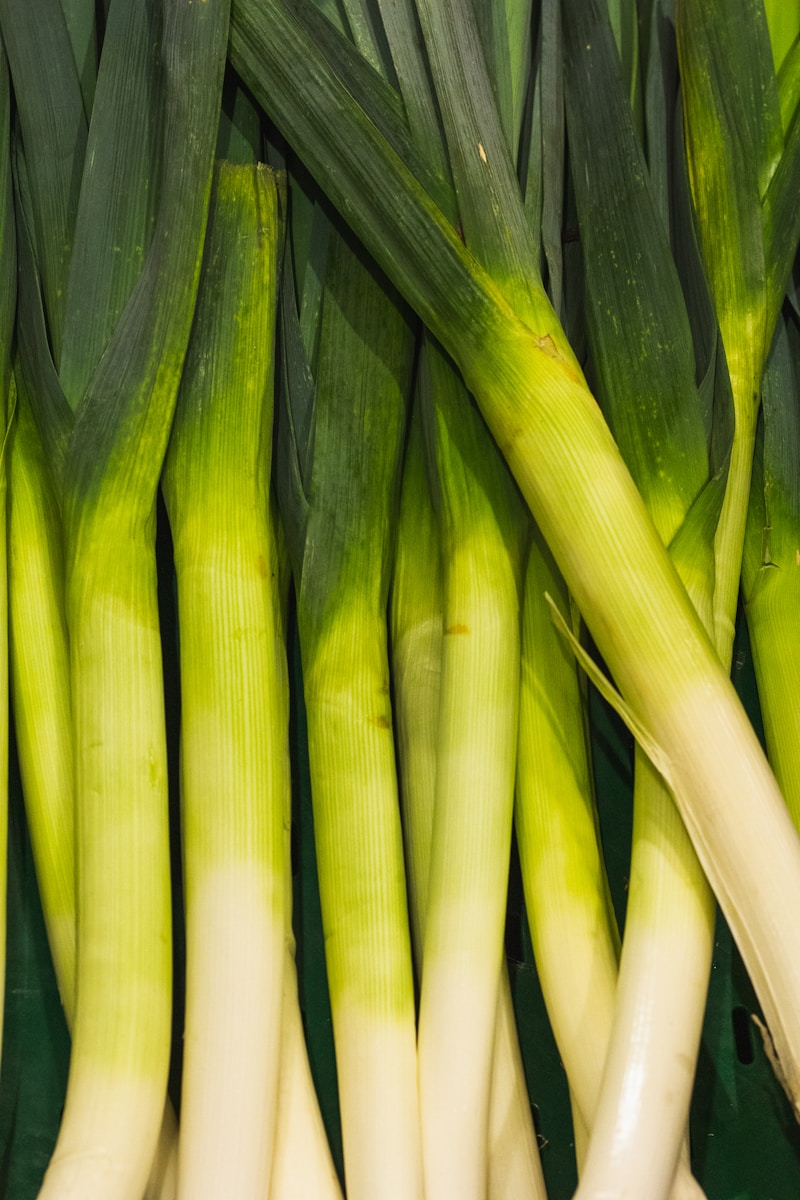
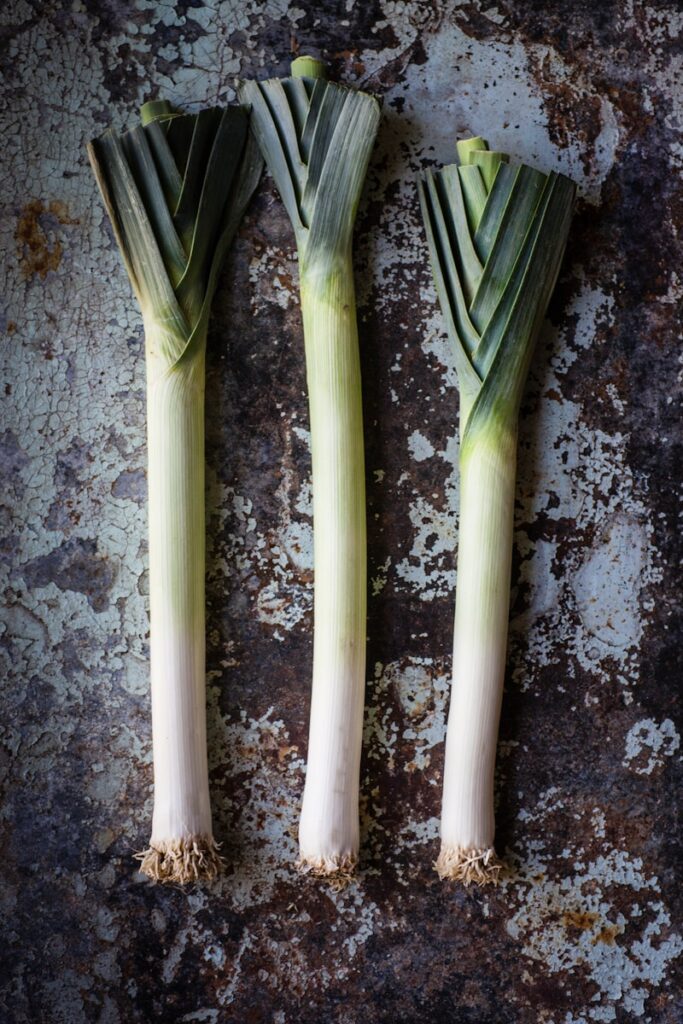
The leek is not native to Wales. It is not even native to Britain. The wild leek, Allium ampeloprasum, originated in western Asia and the eastern Mediterranean, and it has been cultivated as food and medicine by human societies for at least four thousand years. Leeks are mentioned in the Old Testament. Workers who built the Egyptian pyramids ate them, dried fish, and onions as their daily ration. Ancient Greek and Roman writers recorded the leek’s medicinal properties: it was used to soothe the throat, ease the pain of childbirth, cure the common cold, and protect against wounds. The Roman emperor Nero reportedly ate leeks in oil every day because he believed they strengthened the voice. He earned himself the nickname Porrophagus, meaning the leek-eater, for his trouble.
Long before the Romans arrived in Britain, the Celts of Wales had almost certainly been growing and eating leeks for centuries. The wild variety of the plant had spread across Europe and established itself in the wetter, cooler climates of the Atlantic fringe: Wales, Ireland, Brittany, and the western coasts of the continent where Celtic peoples had settled. It thrives in Welsh conditions. It is nutritious, stores well through the winter, and grows abundantly in the kind of damp, temperate climate that prevails along the western edge of Britain. For communities living close to the land with no access to the imported spices and flavours of the ancient trade routes, the leek would have been one of the most valuable plants in their world.
The Druids, the priestly class of the ancient Celtic peoples, accorded plants and natural things a sacred significance that modern life has largely lost. They understood the healing properties of plants in extraordinary detail, and the leek was among those most highly valued. The Red Book of Hergest, one of the most important manuscripts in the Welsh language, written between roughly 1375 and 1425, preserves earlier medical texts that list leeks in numerous remedies and treatments for a wide range of conditions. This written evidence, compiled centuries after the Druids had been displaced by Christianity, almost certainly reflects a tradition of leek cultivation and medicinal use in Wales that stretched back into the pre-Christian era. The leek, in short, was woven into Welsh life long before any legend attached itself to it.
The last stronghold of the Druids in Britain was Ynys Mon, the Island of Anglesey, at the north-western tip of Wales. It was here, in 60 or 61 AD, that the Roman general Paulinus launched his famous assault on the Druidic order, massacring the priests and priestesses on the shores of the Menai Strait and felling the sacred groves. Even after that destruction, the deep roots of Celtic plant knowledge in Wales did not disappear. They passed into folk medicine, into farming practice, and eventually into the cultural identity of a people who grew and ate and valued the leek more than any other crop.
The Saint and the Soldier
The most famous story attaching the leek to Wales involves Dewi Sant himself. According to the legend, on the eve of a great battle against the Saxon invaders, David advised the Welsh soldiers to attach leeks to their helmets or armour. The reason was practical and urgent: in the confusion and chaos of medieval hand-to-hand combat, where both sides wore similar equipment and the noise and dust made recognition almost impossible, the soldiers needed a way to identify friend from foe instantly. The leek, bright green and immediately recognisable, served as that marker. The Welsh, according to the story, won the battle.
The battle in question is sometimes placed in the context of a Welsh victory against the Saxons in a field where leeks happened to be growing, which adds a convenient circularity to the legend: the Welsh wore the plant that surrounded them, won the battle, and the plant became theirs. The earliest written version of this story appears in poetry recorded in the early 1600s by the English poet Michael Drayton, though he was almost certainly drawing on a much older oral tradition. Historians note that it is impossible to verify the story, and some suggest that Drayton may have embellished or invented it. But the cultural truth of the legend, whatever its factual basis, is clear: for centuries before Drayton committed it to paper, the association between the Welsh and the leek was already so established that it needed a founding story, and this one was provided.
A variation of the same legend replaces St David with Cadwaladr, the 7th century king of Gwynedd in North Wales, who is said to have ordered his men to strap leeks to their armour before battle for exactly the same reason. The two stories do not contradict each other so much as reinforce the same deep association from different angles. Whether it was a 6th century monk or a 7th century king who first made the order, the Welsh people were wearing leeks in battle, and the custom became tradition, and the tradition became identity.
The Battle of Crecy and the Longbowmen
Whatever its mythic origins, the leek’s association with Welsh military identity is firmly established in the historical record by the 14th century. The Battle of Crecy, fought in northern France in August 1346, is one of the most celebrated English victories of the Hundred Years War, and it was won primarily through the devastating effectiveness of the Welsh and English longbowmen. The Welsh archers, feared across Europe for their skill and the lethal range of their great bows, fought in uniforms bearing the green and white colours of the leek.
The choice of colours was not accidental. Green and white were already understood as the colours of Wales, derived from the leek, and the adoption of those colours in military dress was a statement of national pride and identity worn into battle. Chronicles from the period describe the Welsh contingent at Crecy, and the leek colouring of their equipment is recorded as a mark of their Welsh identity rather than a simple uniform choice. The image of Welsh archers in green and white, raining arrows down on the French cavalry with a rate and accuracy that no continental army could match, became one of the defining pictures of Welsh martial reputation in the medieval imagination.
Shakespeare, writing Henry V in 1599, drew directly on this history and these associations. His character Fluellen, the proudly Welsh captain who becomes one of the play’s most memorable figures, explicitly references the leeks of Crecy in conversation with King Henry. The exchange is worth knowing in full because it tells us exactly what the leek meant to educated Elizabethan audiences. Fluellen tells the king that the Welsh soldiers did good service at a battle in France, wearing leeks in their Monmouth caps, adding that to this hour it is an honourable badge of that service. Henry replies that he wears his leek for a memorable honour, for I am Welsh, you know, good countryman.
This exchange matters beyond its historical interest. Shakespeare wrote for a popular audience in London. His plays were performed to thousands of Londoners who needed to understand the reference immediately for the scene to work. The fact that he could write a Welsh captain defending the leek as a point of pride, and a king endorsing that pride by declaring his own Welsh identity, tells us that by the 1590s the leek was not just a private Welsh symbol but a nationally recognised one, understood and accepted by audiences well beyond the borders of Wales.
Fluellen, Pistol, and the Vegetable’s Finest Hour in English Literature
Shakespeare did not leave the leek with just one memorable scene. In Act Five of Henry V, he gave it perhaps its most celebrated moment in all of English literature. The braggart soldier Pistol has mocked the Welsh captain Fluellen and sneered at the custom of wearing the leek on St David’s Day. Fluellen, who does not forget an insult, tracks him down the following day. Still wearing the leek in his cap, he confronts Pistol in the English camp and delivers one of the most satisfying lines in the play: ‘If you can mock a leek, you can eat a leek.’
What follows is a combination of comedy and cultural statement. Fluellen beats Pistol with a cudgel until the cowardly soldier, who boasts constantly and delivers nothing, is forced to eat the entire leek he has been mocking. He chews through it, complaining all the while, while Fluellen watches with grim satisfaction. It is a scene about national pride and the consequences of treating that pride with contempt. Pistol represents the dismissive English attitude towards Welsh identity; Fluellen represents the quiet, fierce refusal of that dismissal. And the leek sits at the centre of it all.
The scene would have drawn laughter from a London audience but also something more complicated: a recognition that Welsh cultural pride was real, that it had history behind it, and that mocking it came at a cost. For Welsh audiences and readers across the centuries, it has remained a source of considerable satisfaction.
The Tudor Household and the Royal Confirmation
Between the mythic battles of the early medieval period and Shakespeare’s theatrical leek scene, the historical record provides a crucial piece of evidence for the leek’s place in Welsh cultural life: the royal household accounts of the Tudor dynasty. The Tudors, who occupied the English throne from 1485 to 1603, were of Welsh origin. Henry VII, the first Tudor king, was born at Pembroke Castle in Wales and traced his lineage through the Welsh noble family of Tudur ap Goronwy. His accession to the throne after the Battle of Bosworth Field was celebrated in Wales as a restoration of Welsh prestige after centuries of conquest and marginalisation.
The royal household accounts of the Tudor period record payments made to purchase leeks for the household guards to wear on St David’s Day. This is documentary evidence, not legend. It tells us that the wearing of the leek on 1 March was already sufficiently established as a Welsh tradition by the late 15th century that the Welsh royal family chose to observe it formally, at the highest level of English court life. The Tudors were, in effect, using their position to endorse and amplify a Welsh custom. The guards of the English monarch wearing leeks on the Welsh national day was a public statement of Welsh identity at the very heart of the English establishment.
This royal endorsement gave the leek a legitimacy that transcended any single legend or story. It was no longer just a folk tradition or a battlefield custom: it was a practice performed at court. The £1 coin representing Wales in the United Kingdom has featured the leek on its reverse since 1984. Every Welsh regiment of the British Army maintains traditions involving the leek on St David’s Day. The plant that grew wild in Anglesey before the Romans came has, somehow, become a symbol recognised in every corner of the world where Wales is known.
The Leek in Welsh Life: Food, Medicine, and Meaning
It would be a mistake to treat the leek purely as a symbol detached from daily life. It has always been both: a living emblem that matters precisely because it has been eaten, grown, and valued for as long as Welsh people have farmed the land. Cawl, the national dish of Wales, is built around the leek. This slow-cooked broth of lamb and root vegetables, simmered for hours until the house fills with its warm, savoury smell, is the taste of Wales in the way that no other dish quite matches. The leek is not a decorative addition to cawl: it is structural, giving the broth its characteristic flavour and body.
The medieval medical tradition that the Red Book of Hergest records was not superstition but accumulated knowledge. Leeks do contain vitamins A, C, and K, along with folate and manganese. They have mild antibiotic properties. They are genuinely good for you, particularly in the winter months when they are most abundant. For communities living through the cold, damp Welsh winters of the medieval period with limited access to fresh vegetables, the leek that could be stored through the hardest months and eaten in large quantities was genuinely valuable. It was medicine and food in the same plant. Small wonder it was revered.
Today, Welsh farmers grow leeks commercially, and the vegetable remains a staple of Welsh cooking. The Glamorgan sausage, a vegetarian dish made from leeks, Caerphilly cheese, and breadcrumbs, is a modern favourite. Leek soup, leek and potato pie, leek tart: the plant appears throughout Welsh cooking as naturally as the rain appears in Welsh weather. When Welsh soldiers in the Royal Welsh regiment observe their St David’s Day tradition of eating a raw leek, they are participating in something that connects them, through an unbroken chain of custom and practice, to the medieval battlefield, the Tudor court, and the ancient Druidic knowledge of Anglesey.
Part Two: The Daffodil

A Flower From the South: How Daffodils Reached Wales
The daffodil’s story could not be more different from the leek’s. Where the leek arrived in Wales in antiquity and became embedded in the culture over millennia, the daffodil came relatively recently, both as a plant and as a symbol. Understanding that difference is essential to understanding why Wales ended up with two national emblems rather than one.
The daffodil family, Narcissus, originated in the Mediterranean basin, particularly in the Iberian peninsula, North Africa, and the western Mediterranean. It is not a British native in the strict sense, though wild daffodils have been present in Britain for so long that they have effectively naturalised here. The Romans, who believed in the daffodil’s medicinal properties, brought it to Britain as part of the vast transfer of plants, animals, foods, and ideas that accompanied the legions across Europe. They planted bulbs wherever they settled, and the daffodil, discovering that the cool, damp British climate suited it rather well, spread beyond the Romans’ gardens into the wider landscape.
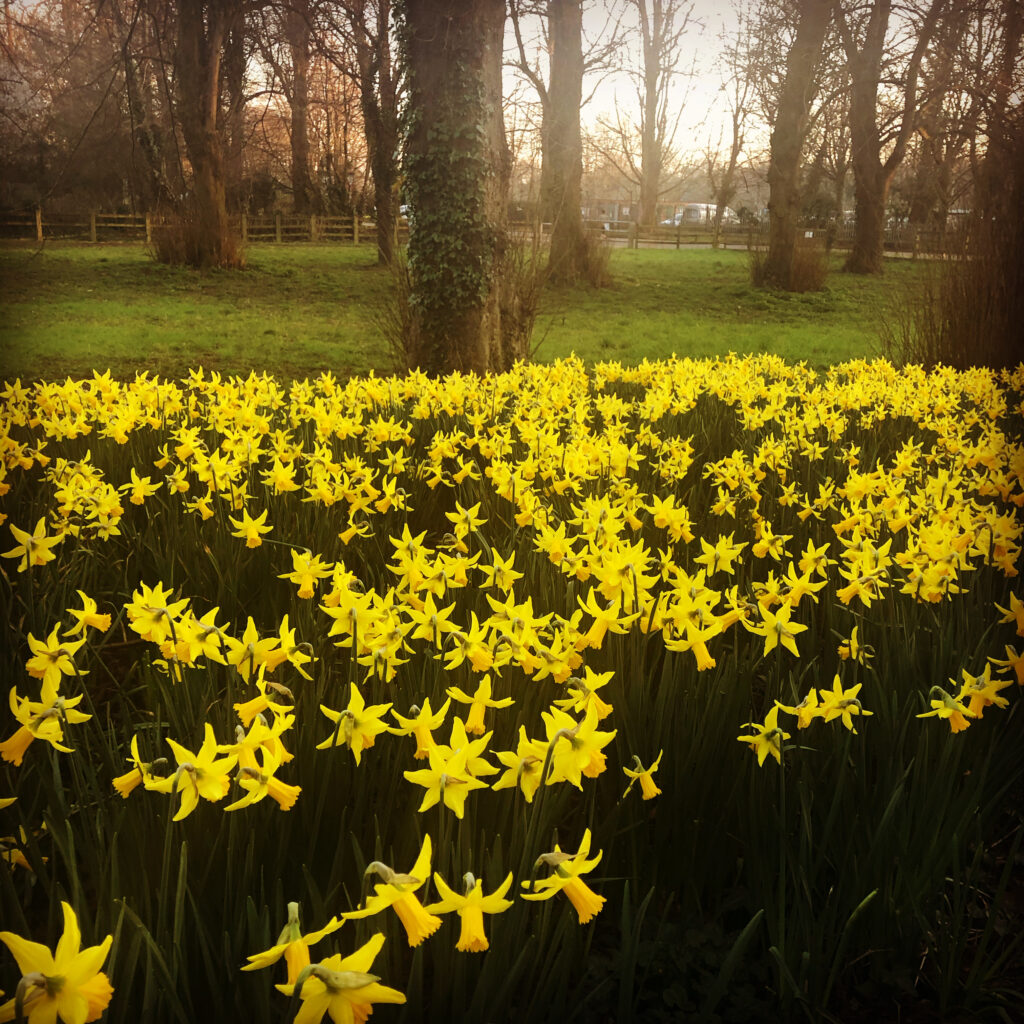
In Wales, the wild daffodil Narcissus pseudonarcissus, also known as the Lenten lily, found conditions particularly congenial. The damp valleys, the acid soils, the mild winters of the western coastal fringe: all of these suited the plant. By the medieval period, wild daffodils were blooming in abundance across the Welsh countryside every late winter and early spring. And crucially, they were doing so at a very particular moment: the first days of March, which is precisely when St David’s Day falls.
This timing is not coincidence, but it is a coincidence of nature rather than design. The daffodil does not bloom on 1 March because of St David. It blooms in late February and early March because that is when the lengthening days and the easing of winter cold trigger its flowering, and that schedule has been the same for as long as the plant has grown in these latitudes. But the effect, when a culture is looking for symbols and the landscape offers a carpet of yellow flowers at exactly the right moment, is something close to inevitability.
The Welsh Name and the Accident of Language
Before we reach the Victorian era and David Lloyd George, there is a linguistic explanation for the daffodil’s rise that deserves proper attention, because it may be the most important single factor in the story.
In Welsh, the leek is cenhinen. The daffodil is cenhinen Pedr, which translates literally as Peter’s leek. The two words are closely related, built on the same root, and in everyday speech they can be confused, particularly in the mouths of people who are not careful about the distinction between them. The flower got its Welsh name because its long stem, narrow leaves, and bulbous root reminded someone, at some point in the Welsh-speaking past, of a leek with a yellow trumpet attached. The parallel naming linked the two plants in the language long before anyone thought of making the daffodil a national symbol.
The consequence of this linguistic kinship was that, as the daffodil became more widely grown and more widely visible in the Welsh spring, it inherited some of the cultural weight that the leek already carried. People who heard about wearing the national emblem, and who perhaps misremembered or misheard the Welsh word, planted daffodil bulbs and brought daffodil flowers to St David’s Day celebrations. The confusion, if confusion it was, turned out to be productive. A flower that bloomed just in time and shared a name with the ancient emblem of the nation began to accumulate its own symbolic meaning.
This is not a uniquely Welsh phenomenon. National symbols often arrive through accident and association as much as through deliberate choice. What is unusual about Wales is that rather than replacing the older symbol with the newer one, the two have coexisted, each carrying its own history and its own associations, giving Welsh national identity a visual vocabulary that is richer for having both.
The Victorians, Lady Llanover, and the Flowering of Welsh Identity
The 19th century was a period of intense activity around Welsh cultural identity. The Romantic movement, with its fascination with ancient peoples, ancient languages, and Celtic myth, gave the Welsh a new audience for their history and culture. Scholars were rediscovering medieval Welsh literature. The Eisteddfod tradition was being revived and formalised. A sense was developing, in Wales and among Welsh people living in England and further afield, that Welshness was something worth preserving, promoting, and celebrating.
Lady Llanover, born Augusta Waddington and a passionate champion of Welsh language and culture who taught herself Welsh as an adult, was one of the most influential figures of this Welsh cultural revival. She campaigned for the preservation of the Welsh language, traditional Welsh music, and Welsh costume, and her home in Monmouthshire became a centre for Welsh cultural life. It was in this Victorian atmosphere of cultural rediscovery that the daffodil’s fortunes began to rise. The flower was being grown more widely in Welsh gardens, its arrival in early March was being noticed as a natural celebration of the national day, and its beauty made it an appealing alternative to a vegetable for decorative and festive purposes.
There is also a more pointed political explanation offered by some historians. The English establishment, watching the Welsh national movement gather momentum, was not entirely comfortable with the leek as the central symbol of that movement. The leek carried associations with the defeat of the Saxons, with the defiance of English encroachment, and with a fierce Welsh pride that had sometimes expressed itself in ways that made Westminster nervous. The daffodil, beautiful, cheerful, and carrying none of those nationalistic overtones, was quietly encouraged by some in the English establishment as a preferable alternative. Whether this was a conscious policy or simply an unconscious preference for the less challenging symbol is difficult to determine. But the effect was the same: the daffodil received a degree of official encouragement that the leek never needed, because the leek had already taken care of itself.
David Lloyd George and the Investiture of 1911
The figure most credited with cementing the daffodil as a national symbol of Wales is David Lloyd George, the Liberal statesman from Criccieth in North Wales who became Prime Minister of the United Kingdom in 1916 and led the country through the final years of the First World War. He was the only Welshman ever to hold the office of Prime Minister, and Welsh was his first language: he spoke English as a second language, which was an extraordinary fact about a man who held the highest political office in the land.
Lloyd George was a passionate and public advocate for the daffodil as a Welsh symbol. He wore it on St David’s Day. He wrote about it in newspaper articles. He argued for its adoption as the national flower of Wales in a series of pieces published in the early years of the 20th century, making the case that the daffodil’s beauty and its natural timing made it a more fitting emblem for a modern Wales than the leek.
The moment most often cited as the daffodil’s official coronation as a national symbol is the investiture of the Prince of Wales at Caernarfon Castle in July 1911, at which Lloyd George played a central role as the local MP who stage-managed the ceremony. The story that daffodils were prominently worn and displayed at the investiture has been repeated so often that it has taken on the quality of established fact. However, historians and researchers examining photographs and film footage from the event have noted that the evidence for daffodils at the July ceremony is actually rather limited. July, after all, is not daffodil season. The flowers would not have been in bloom.
What is not in doubt is Lloyd George’s role in promoting and popularising the daffodil through his public advocacy in speeches and articles. Whether the investiture story is literally true or has grown in the retelling, his influence on the daffodil’s rise to national prominence was real and significant. By the time of his death in 1945, the daffodil was firmly established alongside the leek as a symbol of Wales, and no single person had done more to make that happen.
The Tenby Daffodil: Wales’s Own Variety
Not all daffodils are equal when it comes to Welsh symbolism. There is one variety with a particular claim to be considered the true Welsh daffodil, and it grows wild only in a small area of south-west Wales: the Tenby Daffodil, Narcissus pseudonarcissus ssp. major, also known by the synonym Narcissus obvallaris.
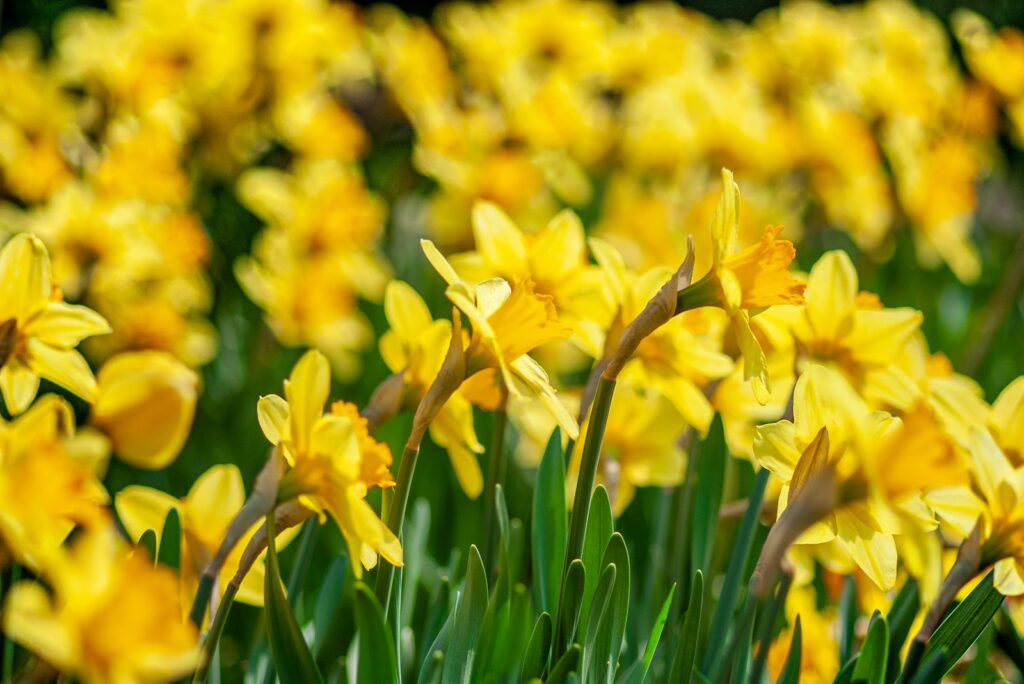
The Tenby Daffodil is quite different from the large, commercial daffodil varieties bred for garden centres and florists. It is smaller, neater, and uniformly golden yellow, without the two-tone colouring that most cultivated varieties display. Its petals and trumpet are the same deep, bright yellow, and it grows on short, stiff stems that give it an upright, almost formal bearing. It is considered by many horticulturalists to have perfect proportions: not showy or oversized, but beautifully balanced. The Royal Horticultural Society has awarded it the prestigious Award of Garden Merit in recognition of its outstanding qualities.
The Tenby Daffodil has been cultivated in and around Pembrokeshire since medieval times, growing wild in hedgerows and rough grassland around the town that gave it its name. Unlike the commercial daffodil, it does not spread aggressively but naturalises slowly and reliably in suitable conditions. For people who want to plant something genuinely Welsh in their garden on St David’s Day, the Tenby Daffodil is the authentic choice, and its limited distribution makes it something to seek out rather than simply pick up from any garden centre.
Wild daffodils more broadly, both the Tenby variety and the more common Narcissus pseudonarcissus, have declined significantly across Britain since the mid-19th century due to habitat loss, agricultural change, and the plucking of wild specimens. Some of the finest remaining displays in Wales can be found at Coed y Bwl Wood near Bridgend, where the native Lenten lily carpets the woodland floor in early spring, and in various locations across Pembrokeshire. These populations are cherished and protected as both natural and cultural heritage.
The Daffodil in Science: From Symbol to Medicine
One of the more remarkable chapters in the daffodil’s Welsh story is entirely modern, and it adds a dimension to the flower’s identity that goes beyond symbolism. Daffodils, specifically the varieties grown in the Welsh climate, are cultivated commercially in Wales to produce a compound called galantamine.
Galantamine is a drug used in the treatment of Alzheimer’s disease and other forms of dementia. It works by inhibiting an enzyme that breaks down acetylcholine, a neurotransmitter that plays a key role in memory and cognition. Daffodil bulbs and flowers contain galantamine in significant concentrations, and the Welsh climate and soil conditions turn out to be particularly well suited to growing the varieties with the highest yields. Pharmaceutical companies have established daffodil growing operations in Wales specifically for this purpose, and Welsh daffodils are harvested at scale to supply the global dementia treatment market.
This means that the flower worn on lapels on 1 March is also, in a quite literal sense, contributing to the treatment of one of the most distressing conditions of modern life. The ancient Druids who valued plants for their healing properties would have found nothing surprising in this. Plants heal. The Welsh have always known it.
Two Emblems, One Nation
Wales is unusual among the nations of the world in having two national symbols of this kind rather than one. England has the rose. Scotland has the thistle. Ireland has the shamrock. Each of those countries settled on a single plant emblem and built its national symbolism around it. Wales could not quite decide, and as a result ended up with both a leek and a daffodil, representing two quite different chapters of Welsh history and two quite different aspects of Welsh character.
The leek is the old Wales: ancient, rooted in the land, shaped by battle and survival, carrying the memory of Druids and saints and longbowmen and a fierce pride in a distinct identity that has been threatened many times and has always survived. It is pungent and unapologetic. It is the Wales that ate what the ground gave it and turned that food into culture. It is the Wales that Fluellen represented on Shakespeare’s stage: proudly, argumentatively, stubbornly itself.
The daffodil is the modern Wales: beautiful, optimistic, carrying the energy of revival and renewal, blooming at the exact moment the nation chooses to celebrate itself as if nature itself is in on the arrangement. It is the Wales of Lloyd George and the Eisteddfod revival, the Wales that insisted on its own language and its own traditions in the face of a dominant English culture, the Wales that found a flower and decided it was the right shape for its aspirations.
Together, they tell a story that neither could tell alone. The leek says: we have been here for a very long time, we have survived things that would have destroyed less stubborn peoples, and we remember. The daffodil says: and yet, here we are, still blooming, still turning our faces to the light.
On the 1984 pound coin, it was the leek that represented Wales. On the modern rugby shirt, the daffodil is embroidered alongside the three feathers of the Prince of Wales. On school stages on 1 March, children wear felt leeks and pin paper daffodils to their jumpers. In gardens across Wales and in the Welsh diaspora communities of Patagonia, Ohio, and Melbourne, daffodil bulbs planted in autumn rise in March in tribute to a national day and a national identity that has proved, against considerable odds, to be remarkably durable.
The Romans brought the daffodil. The monks grew the leek. The Tudors wore it at court. Shakespeare wrote it into literature. A Prime Minister pinned it to his lapel. A pharmaceutical company turned it into medicine. And every year on 1 March, across Wales and around the world, people choose one or the other or both, and in that small act of choosing carry something that has been accumulating meaning for fifteen hundred years.
“If you can mock a leek, you can eat a leek.”
Fluellen was right. And the Welsh know it.
Frequently Asked Questions
Why is the leek a symbol of Wales?
The leek has been associated with Wales since at least the 6th century. The most famous legend connects it to St David, the patron saint of Wales, who reportedly instructed Welsh soldiers to wear leeks on their helmets during a battle against the Saxons so they could identify each other in combat. A related story credits the 7th century King Cadwaladr of Gwynedd with the same instruction. The leek’s association was further cemented at the Battle of Crecy in 1346, where Welsh longbowmen wore the green and white colours of the leek in their uniforms. By the time the Tudor royal household recorded payments for leeks worn by guards on St David’s Day, the plant had been a Welsh national symbol for centuries.
Why is the daffodil a symbol of Wales?
The daffodil became associated with Wales primarily through a combination of three factors: its natural timing (it blooms across Wales in late February and early March, exactly when St David’s Day falls), a linguistic connection (the Welsh word for daffodil, cenhinen Pedr, meaning Peter’s leek, is closely related to the word for leek), and the public advocacy of David Lloyd George, the only Welsh Prime Minister, who championed the daffodil as a symbol of Welsh national identity in the early 20th century. The daffodil is a relative newcomer as a national emblem, gaining prominence only in the 19th and early 20th centuries, compared to the leek which has been a symbol since medieval times.
Which is the official national symbol of Wales, the leek or the daffodil?
Both are officially recognised as national emblems of Wales, and neither takes absolute precedence over the other. The leek is the older symbol and has appeared on the Welsh pound coin since 1984. The daffodil is officially designated as the national flower of Wales. Both are worn on St David’s Day and both appear on Welsh products, uniforms, and official materials. The choice between them on 1 March is largely personal, and many people wear both.
What is cenhinen Pedr and why does it matter?
Cenhinen Pedr is the Welsh word for daffodil, and it translates literally as Peter’s leek. The word is closely related to cenhinen, the Welsh word for leek, and the similarity between the two names is thought to be one of the reasons the daffodil became associated with Wales. People hearing about the Welsh national emblem and confusing the similar Welsh words may have begun bringing daffodils to St David’s Day celebrations instead of, or alongside, leeks. The linguistic link between the two plants in Welsh helped the daffodil inherit some of the cultural prestige of the older symbol.
Is it true that Welsh daffodils are used to treat Alzheimer’s disease?
Yes. Daffodils grown in Wales are harvested commercially to produce galantamine, a compound used in the treatment of Alzheimer’s disease and other forms of dementia. The Welsh climate and soil conditions are particularly well suited to growing the varieties with the highest galantamine yields, and pharmaceutical companies operate daffodil growing programmes in Wales specifically for this purpose. This means the national flower of Wales is also contributing to medical treatment on a global scale.
What is the Tenby Daffodil?
The Tenby Daffodil is Narcissus pseudonarcissus ssp. major, a variety that grows wild in and around Pembrokeshire in south-west Wales and is often considered the true Welsh daffodil. Unlike commercial daffodil varieties, it is uniformly golden yellow with no two-tone colouring, grows on short stiff stems, and is smaller and more elegant than the large cultivated varieties most people are familiar with. It has been present in the area since medieval times and has been awarded the Royal Horticultural Society’s Award of Garden Merit. It is rarer than common wild daffodils and its populations are protected.
Why does Wales have two national symbols instead of one?
Wales has two national plant emblems because its history produced two different symbols at two different times, and rather than replacing the older one with the newer arrival, Welsh culture chose to keep both. The leek emerged from ancient Celtic and medieval Welsh military and religious history. The daffodil gained its national status in the 19th and early 20th centuries. The two emblems represent different chapters of Welsh identity: the leek represents ancient roots, survival, and fighting spirit, while the daffodil represents renewal, natural beauty, and the optimism of a nation insisting on its own cultural identity. Both coexist because both are true.
Did David Lloyd George really introduce the daffodil as a Welsh symbol at the 1911 investiture?
This story is widely repeated but historically uncertain. The investiture of the Prince of Wales at Caernarfon Castle took place in July 1911, which is not daffodil season. Photographic and film evidence from the ceremony does not clearly show daffodils on prominent display. What is well established is that Lloyd George was a vocal and enthusiastic advocate for the daffodil as a Welsh national symbol through newspaper articles and public appearances in the early 20th century, and his influence on the daffodil’s rise to national prominence was genuine and significant. Whether the investiture moment is literally true or has grown in the retelling, his championing of the flower is a matter of historical record.
Do Welsh soldiers really eat raw leeks on St David’s Day?
Yes. This is a genuine tradition maintained by Welsh regiments of the British Army. On St David’s Day, soldiers in regiments including the Royal Welsh are required to eat a raw leek as a mark of their Welsh identity and as a continuation of the custom that stretches back to the medieval battlefield. Officers typically eat their leek from a silver plate while junior ranks eat theirs from a soldier’s boot. The tradition is observed with varying degrees of enthusiasm by the participants, but it has been maintained without interruption and is one of the more visceral expressions of the leek’s place in Welsh military culture.
Popular Articles:

The Ultimate Guide to Watching Wales Rugby Play in Cardiff 2026
